How to Choose Pressure Relief Manholes in 2026?
Choosing Pressure Relief Manholes in 2026 requires more than comparing diameter, price, and delivery time. These access points protect storage tanks from vacuum, overpressure, corrosion, and difficult maintenance conditions. A poorly sized manhole can leave a tank breathing slowly, dangerously, or not at all.
API Standard 2000 remains a key reference for tank venting and pressure protection. NFPA 30 also provides important guidance for flammable and combustible liquid storage. The U.S. Chemical Safety Board’s investigation reports repeatedly show how small design weaknesses can contribute to larger loss-of-containment events. The lesson is practical. Check the complete system, not only the cover.
Small details matter.
An effective selection process examines tank material, operating temperature, internal pressure, vacuum conditions, gasket compatibility, hinge strength, drainage, and inspection access. It should also consider future cleaning tools and the thickness of protective coatings. A stainless-steel manhole may resist corrosion, yet its gasket could fail under the same chemical exposure. That assumption deserves review.
Process-safety expert Trevor Kletz wrote, “If you think safety is expensive, try ignorance.” His warning applies directly here. A cheaper manhole can create hidden costs through leaks, downtime, contamination, or emergency repairs. Reliable choices should be supported by manufacturer drawings, certified pressure data, material records, and documented maintenance experience. The right Pressure Relief Manholes solution is not always the largest or most expensive option. It is the one that matches the tank’s actual hazards, operating history, and inspection needs. And sometimes, the available data remains incomplete. That uncertainty should be recorded, not quietly ignored.
Define the Role and Operating Conditions of a Pressure Relief Manhole
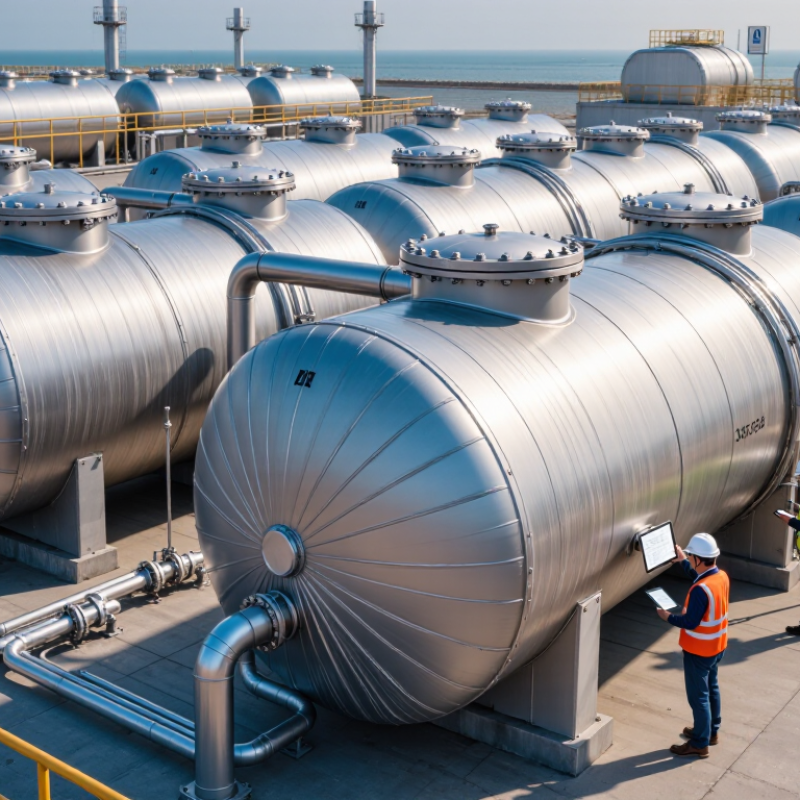
A pressure relief manhole is more than an access opening. It protects a storage tank when internal pressure or vacuum changes faster than normal venting can manage. Its role must be defined before selecting size, material, or set pressure.
API Standard 2000, Eighth Edition, separates normal venting from emergency venting. Normal conditions include liquid filling, discharge, and temperature changes. Fire exposure requires a separate evaluation. NFPA 30 also treats tank venting as a key fire-protection control. These standards require practical operating data, including tank volume, filling rate, product vapor pressure, maximum temperature, and allowable pressure.
Start with the tank’s real operating pattern. A vessel filled at 120 cubic meters per hour needs different capacity from one filled slowly. Daily temperature swings matter, especially under direct sunlight. A dusty site may also restrict the valve seat or manhole cover. Small details become serious.
Select materials according to chemical compatibility and temperature limits. Check gasket performance, corrosion allowance, inspection access, and drainage around the cover. Pressure settings must stay below the tank’s design limits, with suitable vacuum protection. Site measurements are often incomplete. That is a weakness worth admitting. Conservative assumptions should be documented, reviewed by a qualified engineer, and verified against API 2000 calculations before installation.
Compare Manhole Designs, Materials, Sealing, and Access Features
How to Choose Pressure Relief Manholes in 2026?
Compare Manhole Designs, Materials, Sealing, and Access Features
Choose the design from actual tank pressure, vacuum, temperature, and filling rates. API Standard 2000 provides the core venting calculation framework. A hinged pressure relief manhole suits frequent inspection. A bolted cover offers stronger compression, but maintenance takes longer. Do not select by diameter alone. A larger opening may reduce access risk, yet it can increase structural reinforcement requirements.
Material selection should follow the stored liquid, vapor, and cleaning chemicals. Stainless steel resists many corrosive environments, while coated carbon steel can reduce initial cost. However, coating damage is easy to overlook. Gasket choice matters just as much. PTFE, graphite, and elastomer seals behave differently under heat and chemical exposure. NFPA 30 emphasizes controlling vapor hazards around storage systems. Its guidance supports proper venting, bonding, and safe access planning.
Access is not an accessory. OSHA estimates that about 1.6 million workers enter permit-required confined spaces annually, with thousands of injuries and dozens of deaths reported each year. A manhole should provide a stable cover, lifting assistance, anti-drop protection, and clear inspection space. Tips: Check the relief setpoint against the tank’s maximum allowable working pressure. Confirm gasket compatibility with the product. Measure bolt clearance with gloves on. Test the seal after installation. Perfect sealing is not a realistic promise; aging, dirt, and uneven tightening still matter. Some specifications look impressive, but field access may prove disappointing.
How to Choose Pressure Relief Manholes in 2026?
Compare manhole access load classes, designs, materials, sealing, and operating features.
Design
Bolted covers provide controlled pressure containment, while hinged or quick-opening covers improve inspection speed but require engineered locking and safety restraint systems.
Materials
Carbon steel is commonly selected for strength and cost. Stainless steel improves corrosion resistance, especially in humid, chemical, or hygienic environments.
Sealing
Elastomer gaskets are widely used. EPDM suits water and steam applications; PTFE offers broad chemical resistance; gasket compatibility must match temperature and media.
Access
Select the EN 124 load class according to the installation area. Higher classes are intended for progressively heavier traffic and applied loads.
The chart shows the maximum test load associated with EN 124 access-cover classes: A15, B125, C250, D400, E600, and F900. These load classes address cover and frame loading; pressure containment, venting, relief settings, gasket selection, and structural design require separate engineering verification.
Check Safety Standards, Installation Needs, and Maintenance Requirements
How to Choose Pressure Relief Manholes in 2026?
A pressure relief manhole must match the tank’s operating conditions, not just its nozzle diameter. Check design pressure, vacuum rating, fluid temperature, and emergency venting demand. API Standard 2000, 8th Edition, requires normal and emergency venting calculations for atmospheric and low-pressure tanks. NFPA 30, 2024 Edition, also links tank protection to flammable-liquid storage conditions. A practical check includes the gasket, cover bolts, flame path, and corrosion allowance.
Installation details often decide whether protection works. Leave enough clearance to remove the cover without moving nearby piping. The access route should support safe lifting and inspection. Place the manhole away from drainage paths, where rainwater cannot collect around the seal. Confirm that the tank shell can carry the opening reinforcement. The U.S. EPA’s SPCC requirements emphasize secondary containment and inspection records, but field experience shows that water intrusion is still frequently underestimated. That needs attention.
Maintenance should follow a written risk-based schedule. API 653 provides inspection practices for aboveground storage tanks, including external checks, thickness measurements, and settlement monitoring. Inspect the manhole after pressure events, product changes, flooding, or abnormal odor reports. Record bolt condition and gasket compression. Replace damaged sealing materials promptly. Do not rely on appearance alone. A clean cover can hide a distorted seat. Even experienced teams miss this when inspections are rushed. Review the interval after the first operating year, because real corrosion rates may differ from design assumptions.
Evaluate Suppliers, Total Cost, and Long-Term Performance in 2026
How to Choose Pressure Relief Manholes in 2026?
Evaluate Suppliers, Total Cost, and Long-Term Performance in 2026
Choosing a pressure relief manhole requires more than comparing purchase prices. Review the supplier’s engineering records, material certificates, testing procedures, and field experience. Ask for inspection reports from installations operating through heavy rain, freezing temperatures, or corrosive wastewater. A reliable supplier should explain pressure ratings, sealing methods, access safety, and replacement procedures clearly. Vague answers are warning signs.
Calculate the total cost across the manhole’s expected service life. Include delivery, lifting equipment, installation labor, coating, inspections, spare seals, and planned shutdowns. A cheaper unit may become expensive after repeated gasket failures or difficult maintenance. Check whether components are available locally. Delays can leave an essential access point exposed. My early estimates were too optimistic because they ignored traffic control and emergency callout costs. That mistake changed how I compare quotations.
Tips: Request a five-year maintenance estimate. Examine one finished installation, not only product samples. Confirm testing records and warranty limits in writing. Ask how the supplier handles dimensional errors or damaged parts. Measure access clearance at the actual site, especially beside pipes, walls, and vehicle lanes. Consider corrosion resistance for the surrounding soil and wastewater conditions. Long-term performance depends on correct installation as much as product design. A strong specification can still fail when the base is uneven or bolts are overtightened. Recheck the assumptions.