China Top Welding Flanges Suppliers for Global Buyers?
China has emerged as a leading source of Welding Flanges for global buyers. The country boasts a rich manufacturing heritage, offering a variety of high-quality products. This growth reflects not only technological advancements but also a commitment to meeting international standards.
Welding Flanges are critical components in various industries. Their role in ensuring secure and leak-proof connections makes them essential for infrastructure projects. Chinese suppliers are noted for their competitive prices and a wide range of options. However, a potential challenge is maintaining consistent quality across all suppliers.
Global buyers must do their research. Engaging with reputable suppliers can build trust and reliability. It’s essential to consider factors like certifications and customer feedback. In a competitive market, making informed choices is vital for success.
Overview of Welding Flanges and Their Importance in Industry
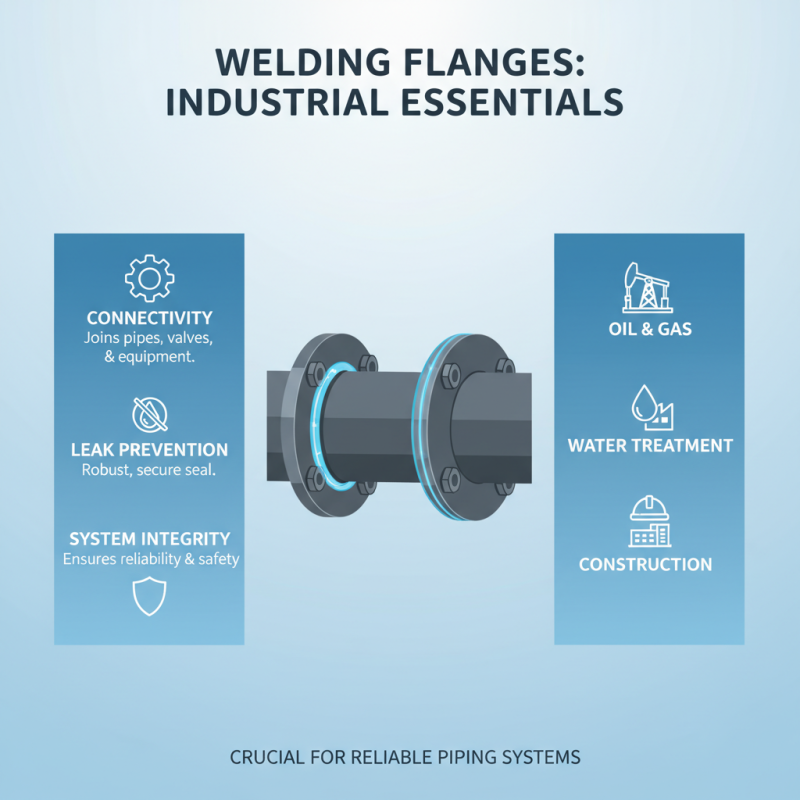
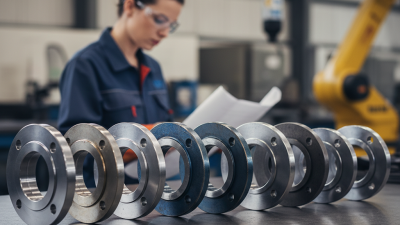
Welding flanges play a crucial role in various industries, particularly in piping systems. They are often used to connect pipes, valves, and other apparatus in a secure manner. The importance of welding flanges lies in their ability to provide a robust seal, preventing leaks and ensuring the integrity of the overall system. This reliability is essential in sectors like oil and gas, water treatment, and construction.
The manufacturing of welding flanges requires precision and expertise. Each flange must meet specific material and dimensional standards to perform effectively. However, not all suppliers adhere to these standards uniformly, which can lead to issues such as improper fit and increased downtime. Furthermore, the sourcing of these components can sometimes be challenging due to varying quality levels among suppliers. It’s vital for buyers to thoroughly assess the credentials and reliability of their chosen suppliers.
Moreover, designs may vary based on industrial needs. Custom solutions are often necessary, depending on the application and environment. Buyers should be mindful of these factors when selecting a supplier. They must ensure that the chosen flanges can withstand the intended pressure and temperature conditions. This assessment is not always straightforward and may require expert consultation to avoid costly mistakes later.
Key Characteristics of High-Quality Welding Flanges
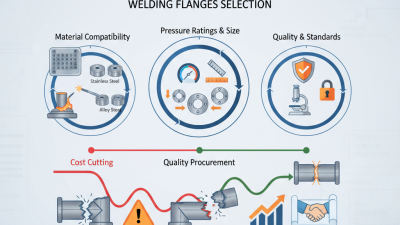
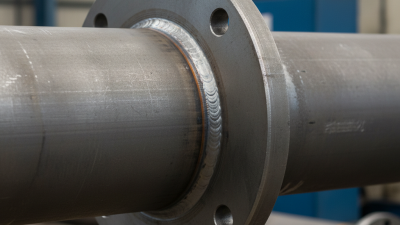
When selecting welding flanges, quality is paramount. High-quality flanges exhibit several key characteristics that set them apart. The material used plays an essential role in durability and performance. Look for flanges made from high-grade stainless steel or carbon steel. These materials offer resistance to corrosion and provide strong weld joints.
Fit and precision are important aspects too. Flanges need to fit perfectly with pipes and fittings. A poorly fitting flange can lead to leaks and costly repairs. The dimensions and tolerances must align with industry standards. Inspect the machining quality and surface finish. Smooth surfaces can enhance the sealing capabilities.
**Tips:** Always check certifications. This ensures compliance with industry regulations. Seek suppliers who provide clear documentation about their products. A reliable supplier is key to successful welding projects. Examine customer reviews and feedback to assess the supplier's trustworthiness. Inspect returned or scrapped flanges; they teach valuable lessons about quality.
Lastly, consider the design of the flange. Standard designs are more reliable, but custom options can also be effective. Analyze previous choices and identify any shortcomings. Striving for improvement is part of the process. Quality in welding flanges can ultimately impact the overall integrity of the project.
China Top Welding Flanges Suppliers for Global Buyers
| Supplier Location |
Production Capacity (Tonnes/Year) |
Quality Certifications |
Material Types |
Export Markets |
| Shanghai |
10,000 |
ISO 9001, ASME |
Carbon Steel, Stainless Steel |
North America, Europe |
| Hangzhou |
8,000 |
ISO 9001, PED |
Alloy Steel, Duplex Steel |
Asia, Australia |
| Tianjin |
12,000 |
ISO 14001, API |
Carbon Steel, Alloy Steel |
Middle East, Europe |
| Wuhan |
15,000 |
ISO 9001, IATF 16949 |
Stainless Steel, Nickel Alloys |
Southeast Asia, America |
Leading Welding Flange Suppliers in China: A Market Analysis
China's welding flange market has gained significant traction among global buyers. The growing demand for high-quality flanges is driven by various industries, including oil and gas, power generation, and manufacturing. Many suppliers in China have developed reliable processes to produce durable welding flanges that meet international standards. Their offerings often include a variety of materials, sizes, and pressure ratings designed to suit different application needs.
While many suppliers boast state-of-the-art facilities, not all are equally experienced. Buyers must assess the supplier's track record and expertise before making any commitments. In recent years, a few suppliers have faced challenges with quality control, leading to inconsistencies in product delivery. This highlights the importance of thorough vetting and supplier audits. Additionally, language barriers and communication gaps can sometimes complicate relationships. Understandably, these factors can affect the overall purchasing experience.
Furthermore, the price of welding flanges can vary widely. Some suppliers offer competitive rates, while others command higher prices due to premium materials or specialized fabrication techniques. Buyers are encouraged to compare options and consider their specific needs. While many suppliers show promise, diligence in researching options remains essential. In this evolving market, being informed can make a substantial difference.
Market Share of Welding Flange Suppliers in China
Comparative Advantages of Chinese Welding Flanges for Global Buyers
When considering welding flanges, Chinese suppliers present notable advantages for global buyers. The manufacturing sector in China has advanced significantly. High-quality materials and skilled labor contribute to the production of flanges that meet international standards. Many factories invest in modern technology, ensuring precise dimensions and durability.
Cost-effectiveness is another compelling factor. Chinese suppliers typically offer lower prices, which is advantageous for businesses operating on tight budgets. However, while affordability is appealing, some might question the consistency of quality. Not all suppliers adhere to the same standards. Conducting due diligence is essential for buyers.
Furthermore, logistics play a crucial role. China's established supply chain can facilitate faster shipping times. Nevertheless, potential delays in customs processes can arise. Buyers need to be aware of these challenges. Efficient communication with suppliers is vital to avoid misunderstandings. By fostering relationships, buyers can often mitigate risks.
Purchasing and Importing Welding Flanges from China: Best Practices
When sourcing welding flanges from China, understanding the market landscape is essential. Recent industry reports indicate that China dominates approximately 35% of global flange production. This significant share underscores the importance of meticulous sourcing practices. Buyers should consider suppliers' certifications and the material quality standards they meet. Engaging with manufacturers that adhere to ISO 9001 can foster confidence in product integrity.
Importing welding flanges involves more than just pricing. Logistics, lead times, and supplier communication are crucial factors. Data suggests that delays can occur in up to 25% of shipments due to packaging or documentation issues. Establishing clear communication channels early on can mitigate these risks. Regular audits and quality checks are recommended to ensure the products meet international standards. Additionally, seeking third-party inspections before shipment can enhance reliability.
Also, be aware of the potential challenges in quality control. Some suppliers may offer attractive prices but compromise on material quality. This can lead to performance issues down the line. Flexibility in negotiation and clear agreements on quality expectations are vital steps to safeguard investments. Keep a close eye on market trends and adjust sourcing strategies as needed for optimal outcomes.