What is a Welding Flange and Its Importance in Pipe Connections?
Welding flanges are vital components in pipe connections across different industries. They ensure a secure and leak-proof fit, which is essential for safety and efficiency. Expert in the field, Dr. John Miller, highlights their significance, stating, "Welding flanges create a strong bond that withstands high pressures and temperatures."
The use of welding flanges allows for more robust structures. They enable easy assembly and disassembly, which is crucial during maintenance. However, precision in the welding process is key. Poorly executed welds can lead to catastrophic failures. Companies must train their personnel thoroughly to avoid these risks.
Moreover, the choice of material impacts the effectiveness of welding flanges. Different applications require different types of flanges. There is no one-size-fits-all solution. Understanding these nuances is critical for project success. While welding flanges provide many benefits, overlooking details can lead to significant issues. Recognizing areas for improvement is essential for industry professionals.
Definition of a Welding Flange and Its Functionality
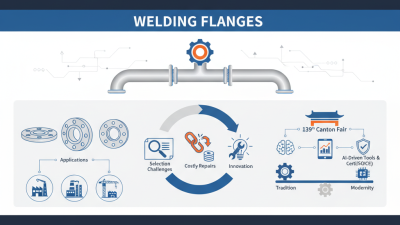
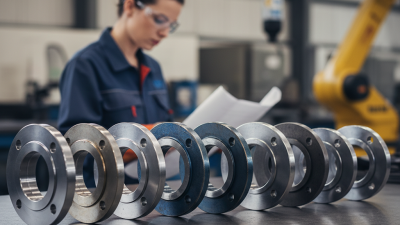
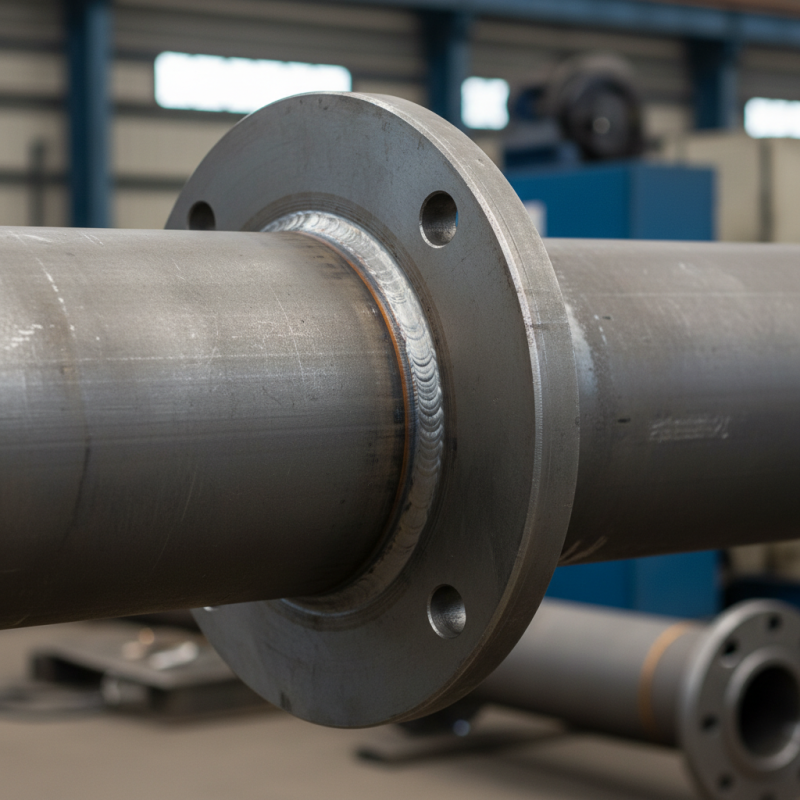
A welding flange is a critical component used in pipe connections. It ensures a strong and secure joint, allowing for the reliable transfer of fluids and gases. Flanges come in various materials, shapes, and sizes to suit different applications. The primary function of a welding flange is to enable easy assembly and disassembly without compromising integrity. This functionality is vital in industries such as oil and gas, water management, and chemical processing.
Understanding the specifics of welding flanges can lead to better decision-making. It’s important to select the right flange type for your project. Each type has its own characteristics, influencing the overall performance of a connection. Varying thicknesses and standards may change your project requirements. Be aware of these details as you make choices.
Tips: Always consider the pressure and temperature ratings of flanges. Ensure they match the piping system. This will prevent premature failure and costly repairs. Regular inspection of all connections is necessary. Ignoring this may lead to leaks or accidents. Periodic evaluations can save time and resources in the long run.
Welding Flange Types and Their Usage in Pipe Connections
Types of Welding Flanges Used in Pipe Connections
Welding flanges are crucial in pipe connections. They ensure tight seals and support structural integrity. There are several types of welding flanges commonly used in industries, including
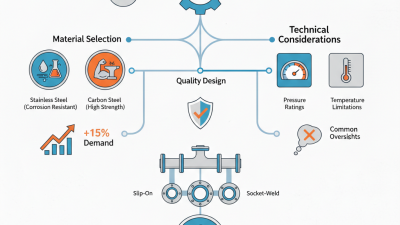
slip-on,
weld neck,
and
blind flanges. Each type serves a specific purpose, impacting both the performance and safety of piping systems.
Slip-on flanges are widely favored for their ease of installation. They require less precise alignment and can reduce installation time. According to a
2021 industry report from the American Society of Mechanical Engineers (ASME), nearly
40% of welded connections use slip-on flanges.
Weld neck flanges, however, provide enhanced strength and are ideal for high-pressure applications. They are designed for a smoother flow, reducing turbulence and wear in pipes.
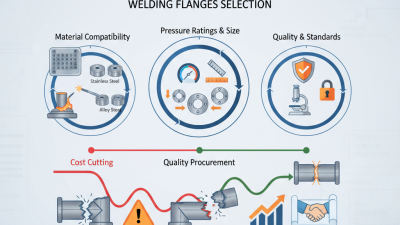
When selecting a flange type, consider the specific needs of your project. Check the material compatibility and pressure ratings. Make sure to account for the environment in which the system operates.
Tips for ensuring optimal performance include proper welding techniques and regular inspections. Minimize the risk of leaks by reviewing your installation methods.
Always keep in mind that fabrication errors can lead to significant issues later on. A closer look at your choices today can prevent
costly repairs tomorrow.
Materials Commonly Used for Welding Flanges
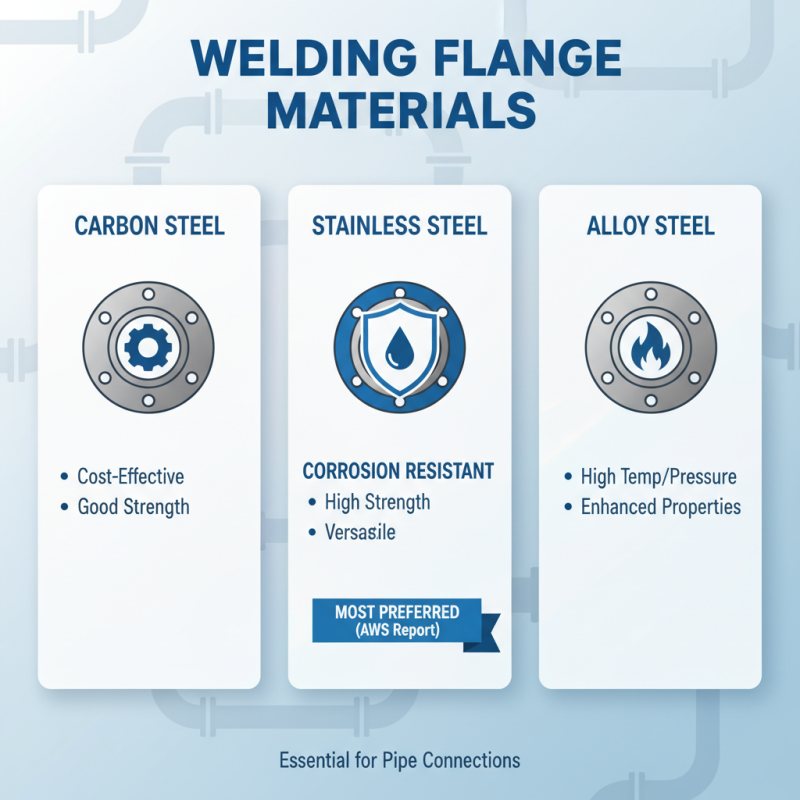
Welding flanges are essential for pipe connections, and the materials used for them play a pivotal role in their efficiency and longevity. Various materials are utilized in the fabrication of welding flanges, including carbon steel, stainless steel, and alloy steel. According to a report by the American Welding Society, stainless steel remains one of the most preferred materials due to its high corrosion resistance and strength.
Carbon steel is also widely used because of its favorable balance between cost and performance. It is ideal for high-pressure environments. However, its susceptibility to rust makes it less suitable for certain applications. Alloy steels, which combine different elements, deliver enhanced mechanical properties and resistance to extreme conditions. This makes them a preferred choice for industrial applications where performance is critical.
**Tip:** Always consider the environment where the flange will be installed. Using the wrong material can lead to early failure or costly repairs.
It's crucial to note that while selecting a material, one must consider factors such as temperature, pressure, and chemical exposure. Sometimes, the best material choice may not be the most expensive one. A thoughtful approach can prevent issues down the line. Regular inspections can help identify early signs of wear or failure. Be proactive to avoid unexpected downtime.
Advantages of Using Welding Flanges in Pipe Systems
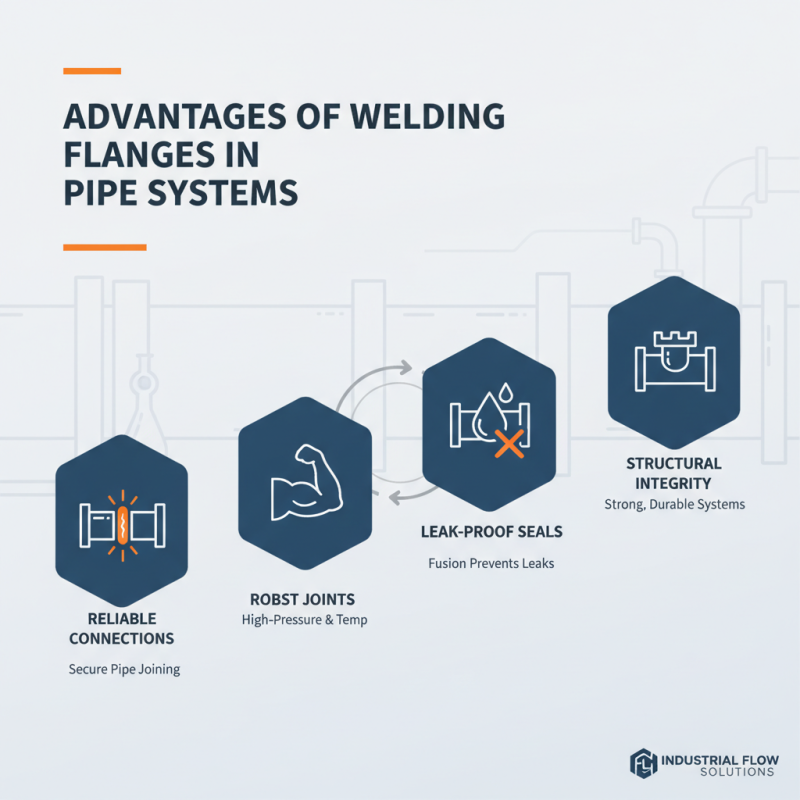
Welding flanges are key components used in pipe systems. They provide a reliable way to connect pipes and create strong joints. The strength of a welded flange connection is vital for high-pressure and high-temperature applications. When welding, the flanges fuse directly to the pipes, ensuring tight seals that prevent leaks.
Using welding flanges comes with several advantages. They offer excellent structural integrity, making them suitable for heavy-duty industries. The process of welding flanges can be quicker than other methods, reducing installation time. Additionally, this type of connection can withstand thermal expansion and contraction better than threaded connections. However, improper welding techniques can lead to weak joints, highlighting the need for skilled labor.
In some cases, welding flanges might not be the best choice. For instance, if frequent disassembly is necessary, other connection methods may be more appropriate. It's crucial to weigh the benefits and shortcomings based on the specific application. Despite potential challenges, welding flanges continue to play a significant role in modern piping systems.
Best Practices for Installing Welding Flanges in Applications
Welding flanges play a crucial role in pipe connections, ensuring secure and reliable joins.
Installing them correctly is vital for the longevity of any piping system.
When preparing to install, cleanliness is essential. Remove any dirt or debris from both the flange surfaces.
This can be a simple step, yet neglecting it could lead to leaks later.
Proper alignment of flanges is another key aspect.
Misalignment can cause stress and eventual failure. It’s advisable to check the fit before welding.
Utilize clamps or temporarily bolt the flanges together to ensure even contact.
This may take additional time, but the result is worth the investment.
Pay attention to the welding technique used. The right approach affects the durability of the joint.
Different materials require specific welding methods. A lack of expertise in choosing the right method can lead to poor quality seams.
Regular inspections post-installation can help identify any imperfections early, preventing escalation of issues down the line.