



News
What are the specific working conditions for different types of flange sealing surfaces?
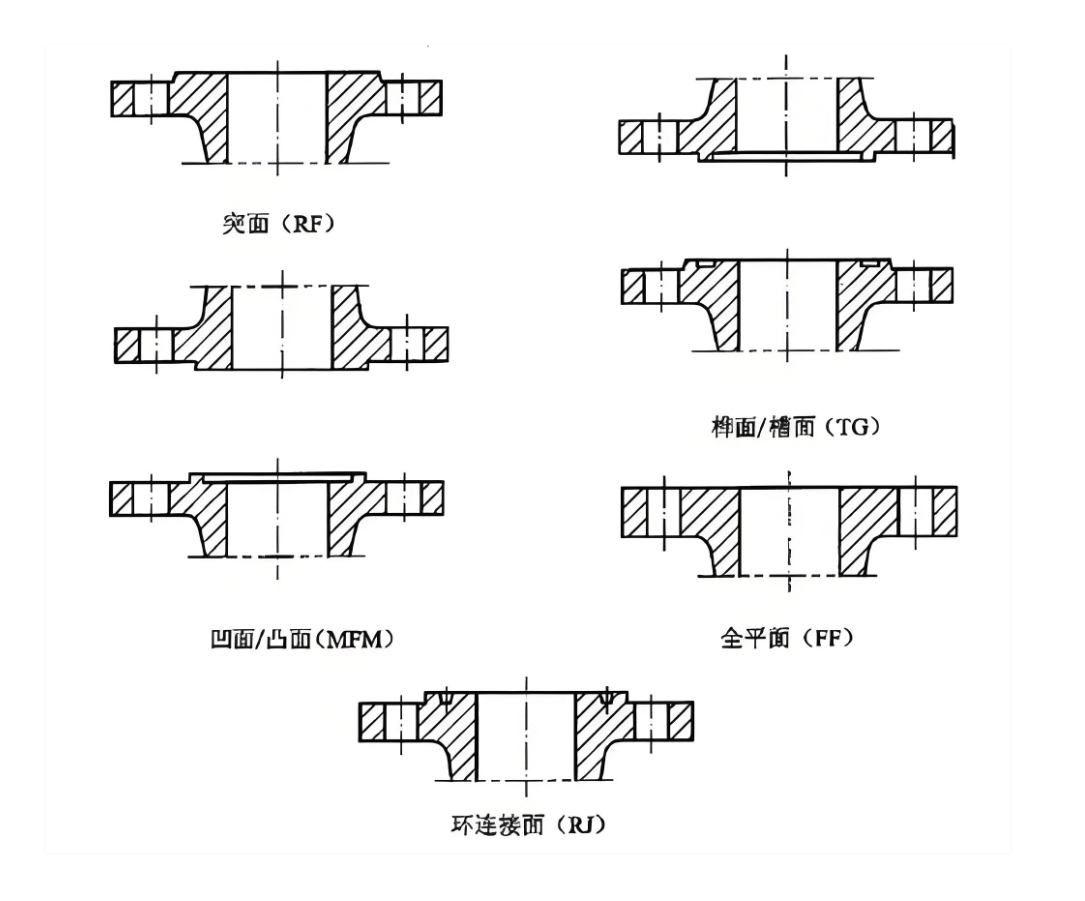
Flange sealing faces are specifically designed to meet various requirements of pressure, temperature, and sealing. The table below summarizes the core characteristics and applicable working conditions for five common types of sealing faces, providing a quick overview of the key points.
| Sealing Face Type | Sealing Principle & Characteristics | Primary Applicable Conditions (Pressure/Medium) | Key Pros & Cons |
|---|---|---|---|
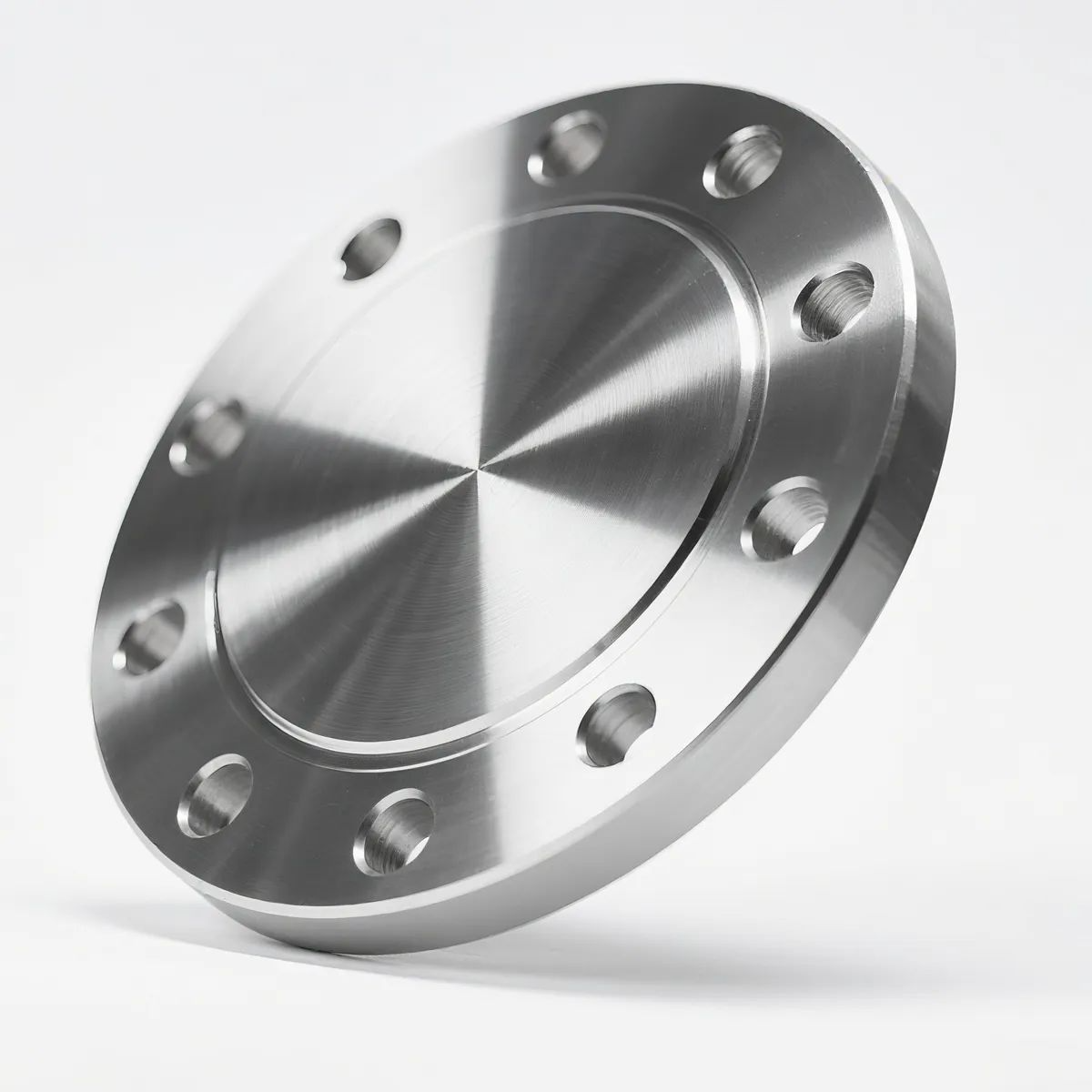
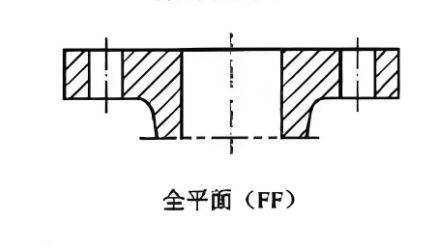
| Flat Face (FF) | The entire flange face is the sealing surface, offering a large contact area with the gasket. | Low pressure (e.g., PN ≤ 16), mild media (e.g., low-pressure circulating water, air). | Pro: Simple structure, low cost. |
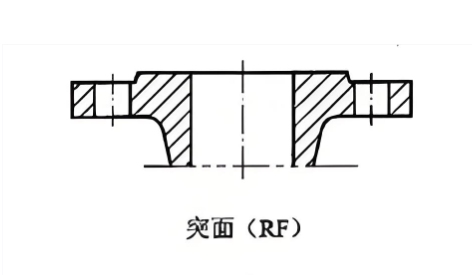
| Raised Face (RF) | Features a raised narrow flat surface; grooves can be machined to prevent gasket extrusion. | Low to medium pressure (commonly used for PN ≤ 63, suitable for pressures like PN10-PN160), non-hazardous media. | Pro: Most widely used, convenient machining. |
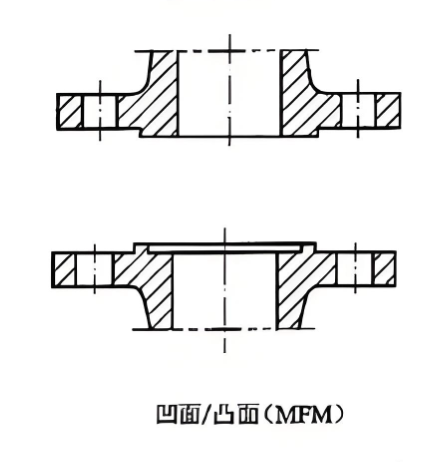
| Male-Female Face (MFM) | Used in pairs: male face (M) and female face (FM); the gasket is placed within the female face, making it resistant to extrusion. | Medium to high pressure (≥ PN40, applicable for a wide pressure range), situations requiring higher sealing. | Pro: Better sealing than RF face, easier alignment. |
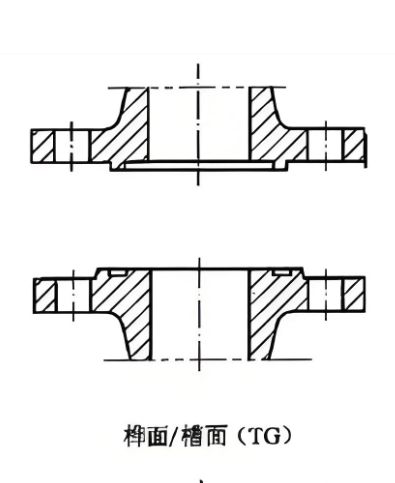
| Tongue and Groove Face (TG) | The tongue (T) and groove (G) fit together precisely, completely confining the gasket within the groove. | High pressure, flammable, explosive, toxic, and expensive media. | Pro: Excellent sealing, resistant to pressure and vibration. |
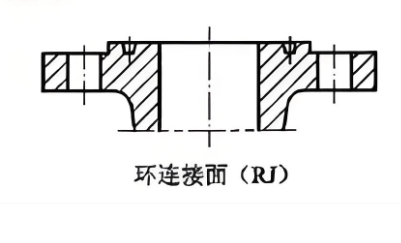
| Ring Type Joint (RJ) | A metal ring gasket (octagonal or oval) forms a line-contact seal with the trapezoidal groove. | High temperature, high pressure, and particularly demanding conditions involving both. | Pro: Designed for high temp/pressure, reliable seal. |
Basic Logic for Selection
When selecting a flange sealing face in practical engineering, you can follow a clear decision-making logic:
-
Define the Operating Conditions: This is the cornerstone of selection. Precisely define the characteristics of the mediumin the piping system (whether it is toxic, flammable, explosive, corrosive, expensive), the working pressure, working temperature, and their fluctuation ranges.
-
Assess Sealing Requirements: Determine the acceptable leakage level based on media characteristics and environmental regulations, among other factors. For hazardous or high-value media, "zero leakage" or near-zero leakage is typically required.
-
Consider Installation and Maintenance: Evaluate the on-site installation conditions, alignment difficulty, and the convenience required for future gasket replacement during maintenance. For example, Tongue and Groove faces might not be the best choice in locations with limited space or where frequent maintenance is needed.
-
Perform Economic Trade-offs: On the premise that process and safety requirements are met, comprehensively consider the initial procurement cost, installation cost, and maintenance cost throughout the entire life cycle to select the most economically reasonable solution.
Important Considerations
-
No Mixing Allowed: Male-Female faces (MFM) and Tongue and Groove faces (TG) must be used in pairs. Sealing faces of different forms cannot be directly connected.
-
Pressure Rating is Not Fixed: The applicable maximum pressure for the same sealing face form (e.g., Raised Face RF) may vary under different standard systems (like ASME/ANSI vs. DIN) or for different nominal diameters. Always consult the specific standard specifications.
-
Installation Determines Success: Even the best flange cannot guarantee a seal if installed improperly (e.g., uneven bolt preload, misaligned piping). Strictly following installation specifications is crucial.