



News
Threaded Flange VS Socket Weld Flange: Which Offers Better Sealing?
Essential Information About Threaded Flanges
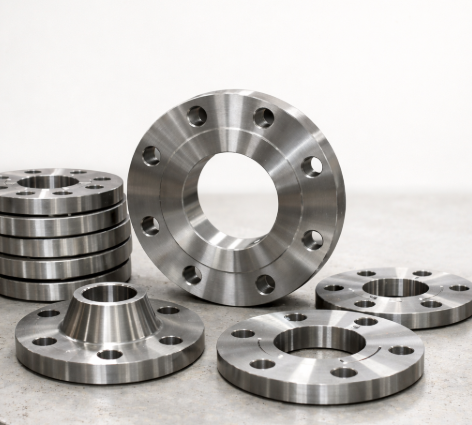
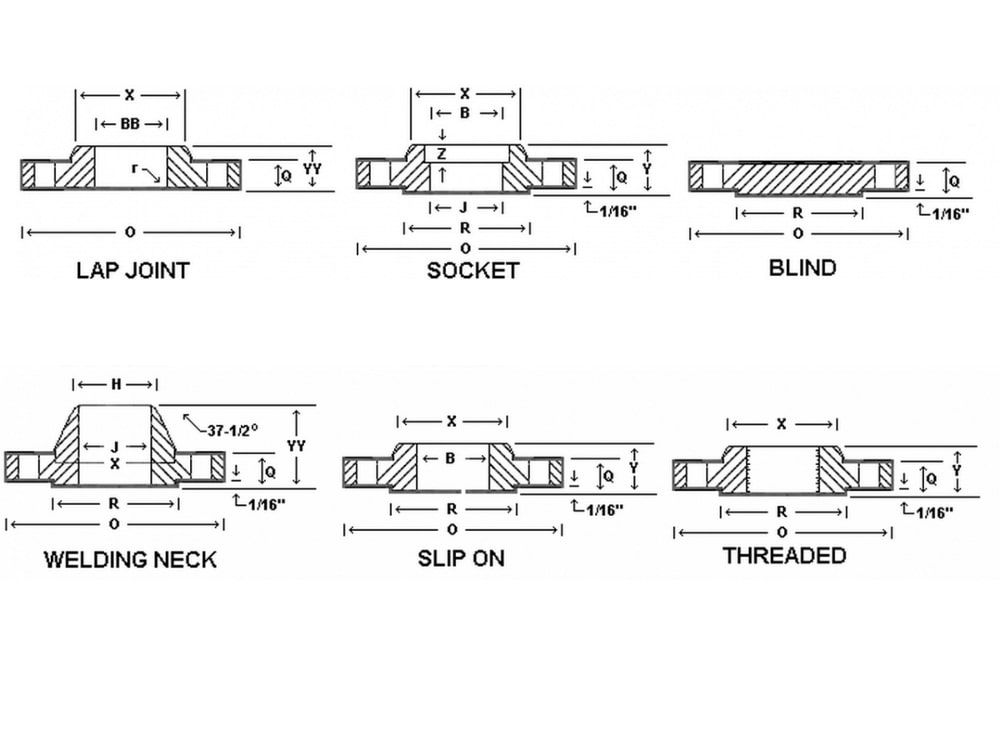
Threaded flanges, also known as screw flanges, feature internal threads that allow them to be screwed onto external pipe threads. They are widely used in systems where welding is impractical or undesirable, such as in the petroleum industry, particularly in hazardous environments with explosive gases where welding poses safety risks.
Advantages of Threaded Flanges
• Easy Installation: Since threaded flanges do not require welding, they are simple to install and remove, making maintenance easier.
• Suitable for Low-Pressure Applications: These flanges are typically used in low-pressure and non-critical applications where sealing requirements are not stringent.
• Ideal for Hazardous Environments: Threaded flanges are often employed in explosive atmospheres where welding could be dangerous.
Limitations of Threaded Flanges
• Risk of Leakage: Threads can be a weak point in the sealing mechanism, increasing the likelihood of leaks, especially under high pressure.
• Unsuitable for High Temperatures: Thermal expansion may cause thread misalignment, compromising the seal.
• Limited Strength: Relying on threads rather than welding makes them less robust than other flange types, rendering them unsuitable for high-stress applications.
What You Need to Know About Socket Weld Flanges
Socket weld flanges have a socket-shaped end into which the pipe is inserted before welding. This welding process ensures a stronger, leak-resistant connection. These flanges are commonly used in high-pressure piping systems requiring secure and reliable joints.
Advantages of Socket Weld Flanges
• Superior Sealing Capability: The welded connection minimizes leakage, making them ideal for high-pressure and high-temperature applications.
• Greater Strength and Durability: Welding creates a sturdier, more stable connection, reducing the risk of failure under harsh conditions.
• Lower Corrosion Risk: With no threads to trap contaminants, socket weld flanges are less prone to corrosion compared to threaded flanges.
Limitations of Socket Weld Flanges
• More Complex Installation: Welding requires skilled labor and specialized equipment, making installation more time-consuming and costly.
• Not Ideal for Frequent Disassembly: Being welded in place, they are harder to dismantle than threaded flanges, complicating maintenance and modifications.
• Potential for Weld Cracking: Improper welding can lead to stress cracking in high-vibration environments.
Which Flange Offers Better Sealing?
- In terms of sealing efficiency, socket weld flanges generally outperform threaded flanges. The welded connection eliminates the risk of leakage through thread gaps, making them a more reliable choice for high-pressure applications.
- Additionally, socket weld flanges maintain structural integrity under thermal expansion and high stress, whereas threaded flanges may suffer misalignment or loosening over time.
- However, the choice between threaded and socket weld flanges depends on specific application needs. If ease of installation and disassembly is a priority, threaded flanges may be more practical. Conversely, for applications demanding a robust, leak-proof connection, socket weld flanges are the better option.
Choosing the Right Flange for Your Needs
Both threaded and socket weld flanges play vital roles in piping systems, but their suitability depends on operating conditions and sealing requirements.
While threaded flanges offer simplicity in installation, they struggle to provide a secure seal under high pressure. Socket weld flanges, despite requiring welding, excel in sealing performance and durability, making them the preferred choice for demanding applications.