


News
Introduction And Application Fields Of Reducers
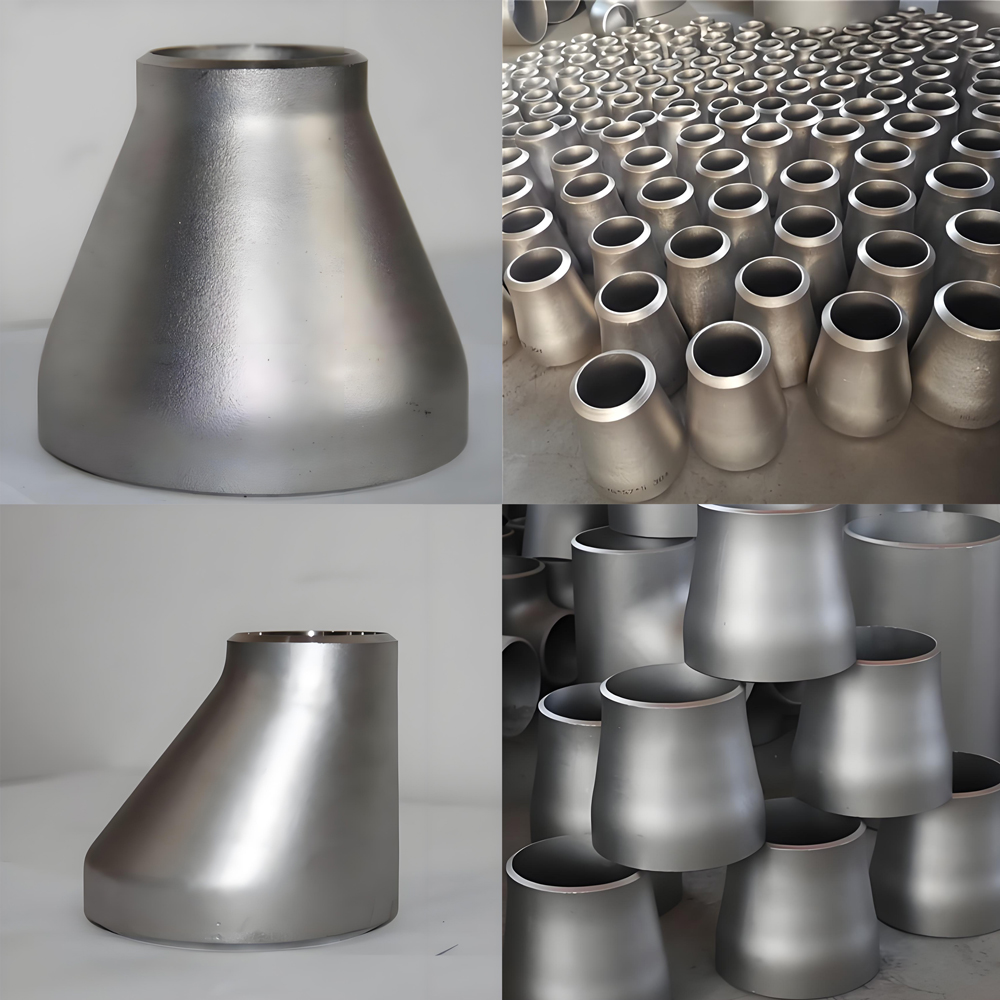
Reducing pipe (also known as reducing pipe or size head) is a pipe fitting used to connect two sections of pipes with different diameters in the pipeline system, and its role is to achieve a smooth transition of pipe diameters to ensure the continuity and stability of fluid transportation. The following is a detailed introduction to the reducing pipe:
1. Types
Reducers can be classified into two types based on their structure and application:
● Concentric Reducer: The centerlines of both ends are on the same axis, suitable for vertical pipes or situations where symmetrical reduction is required.
● Eccentric Reducer: The centerlines of both ends are not on the same axis, typically used in horizontal pipes to prevent the accumulation of media (such as the pooling of liquids at the low point).
2. Application Areas
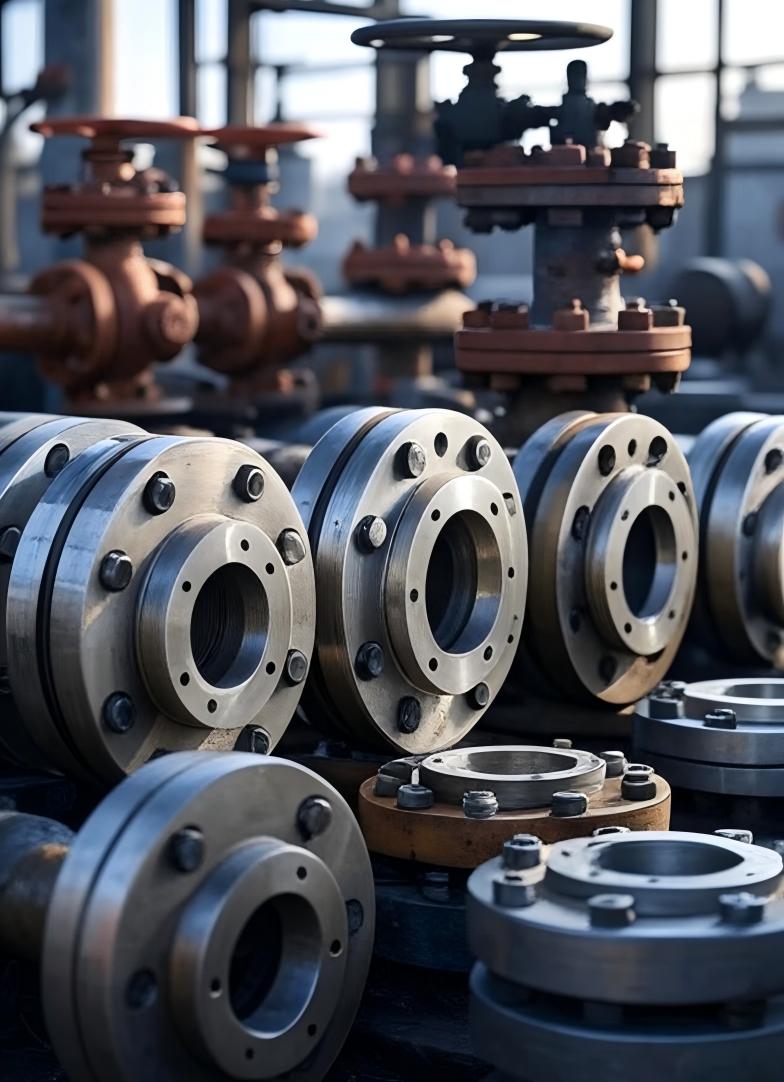
● Petrochemical Industry: Used at the inlet and outlet of pumps and compressors to adjust pipe diameter differences.
● Water Supply and Drainage Engineering: Connect pipes of different diameters to adapt to terrain or flow rate changes.
● HVAC (Heating, Ventilation, and Air Conditioning): Balance the pressure and flow rate in air duct or water pipe systems.
● Building Water Supply and Drainage: Connect main pipes with branch pipes to meet the needs of different floors.
3. Manufacturing Materials
● Carbon Steel: Low cost, suitable for common media (such as water and air).
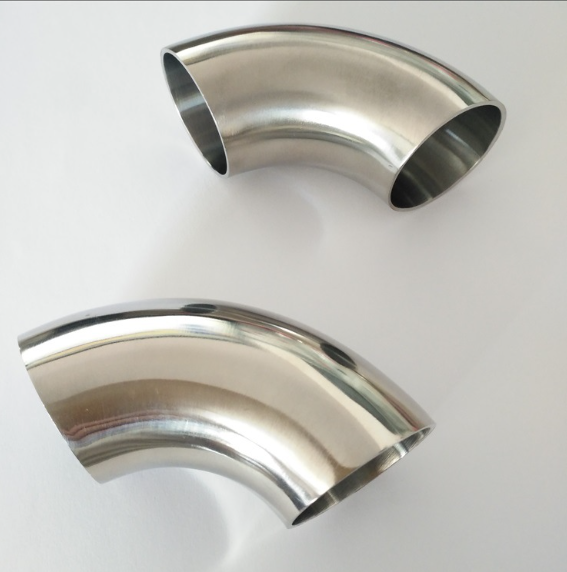
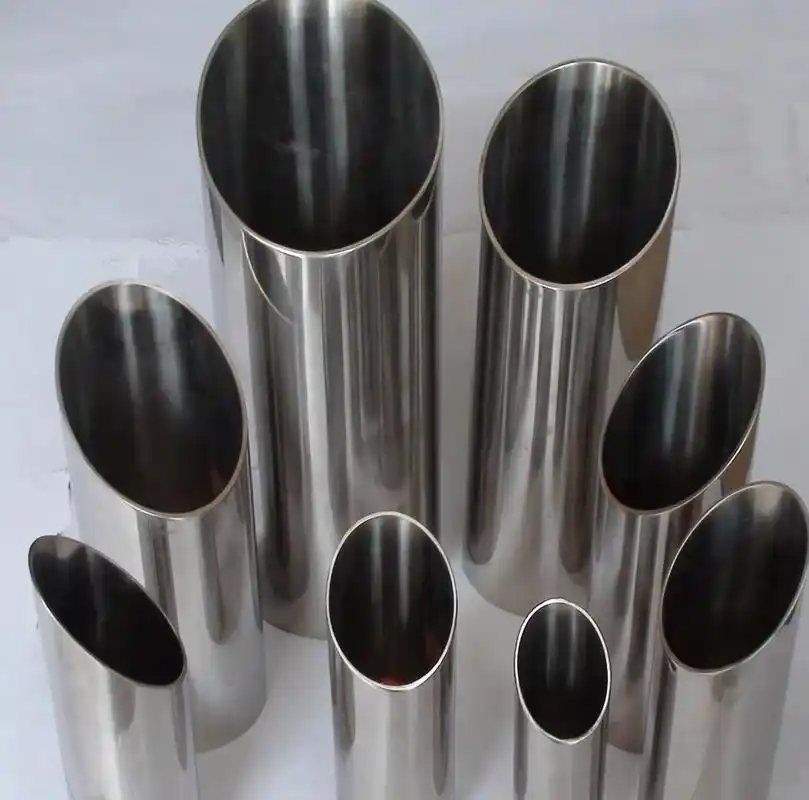
● Stainless Steel: Corrosion-resistant, used in chemical, food, and pharmaceutical environments with corrosive conditions.
● Alloy Steel: Resistant to high temperatures and pressures, suitable for power and nuclear power plants with harsh working conditions.
● Plastic (PVC, PPR): Lightweight and corrosion-resistant, used for low-pressure fluid transportation.
4. Connection Methods
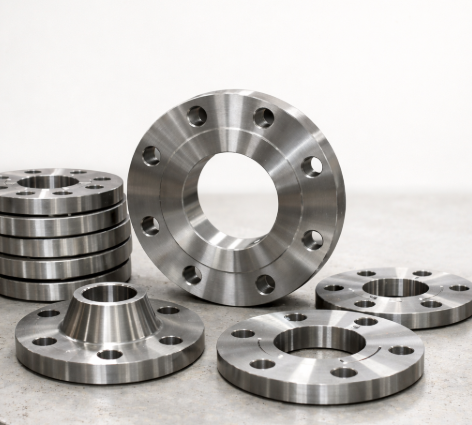
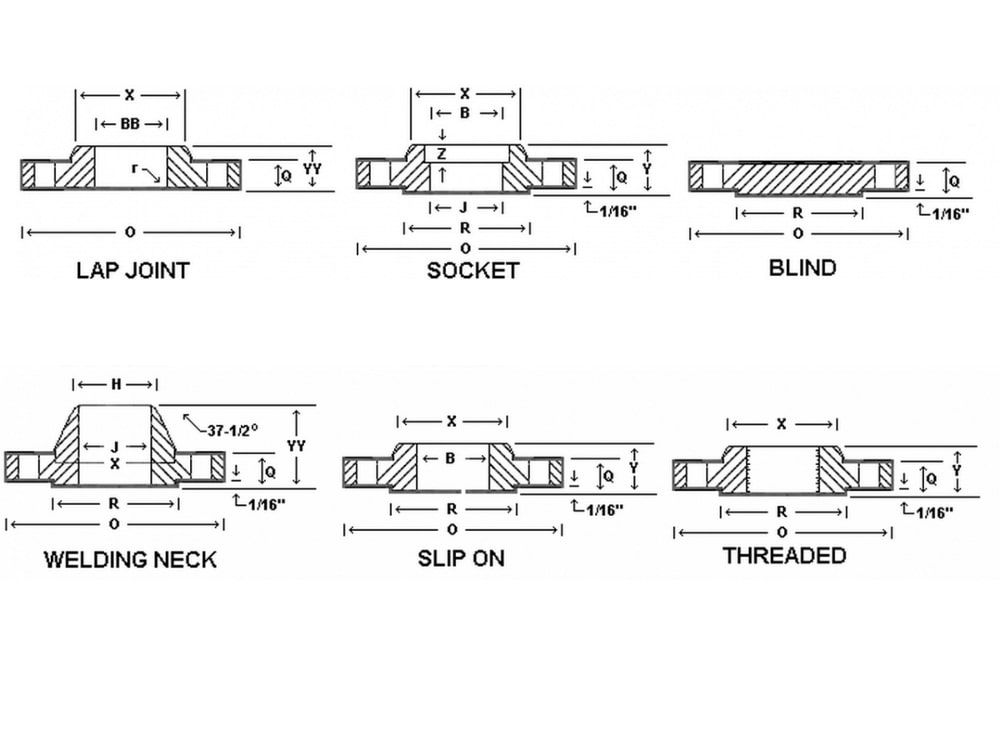
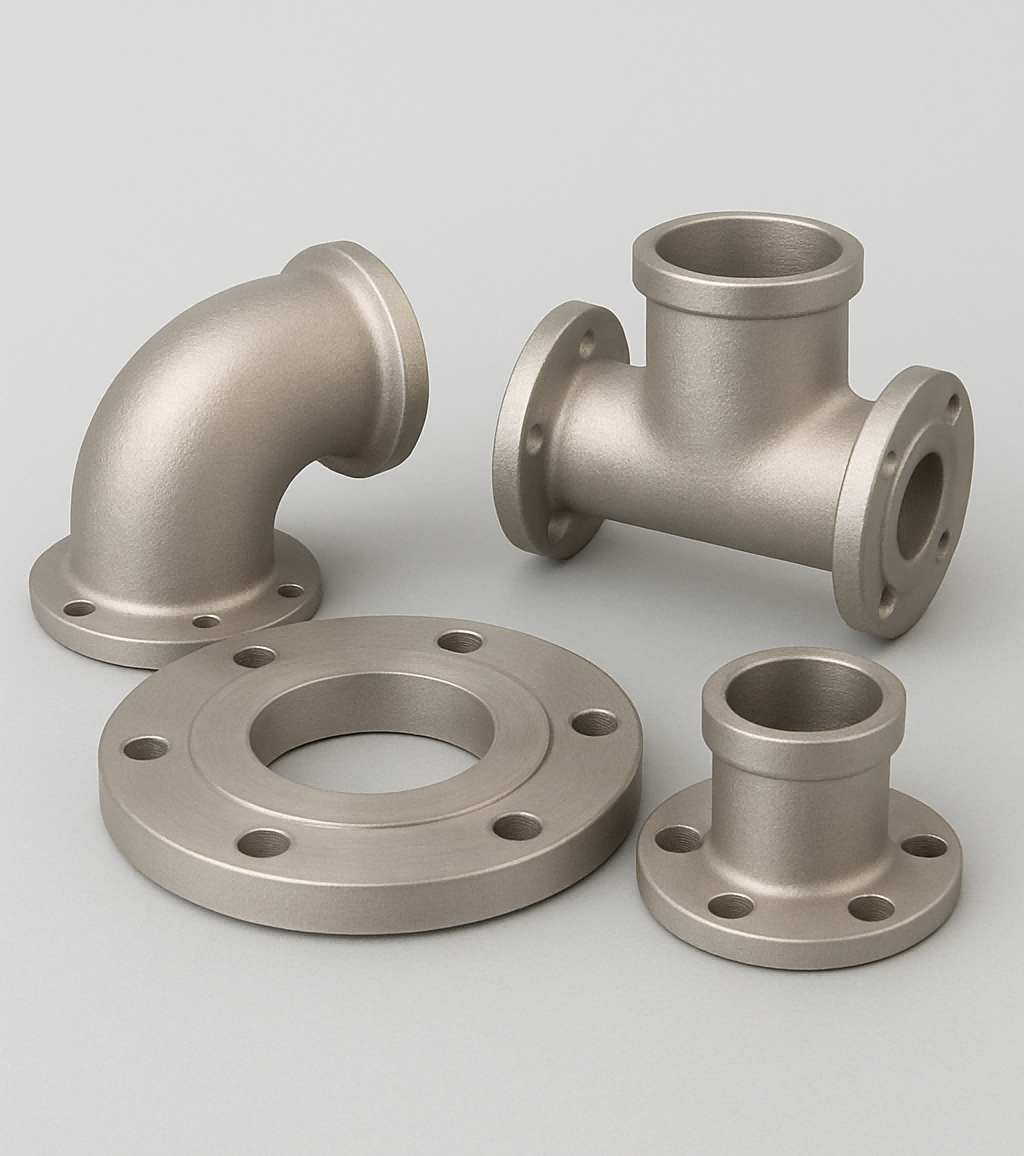
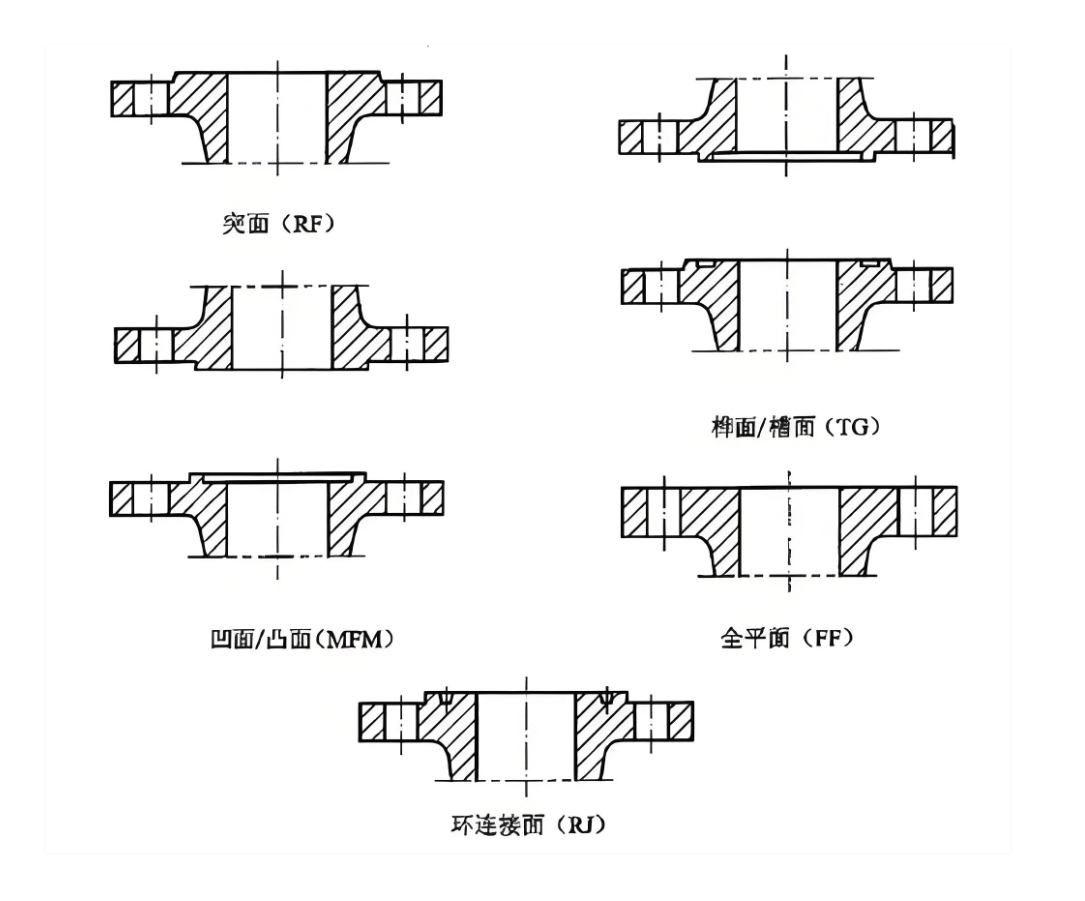
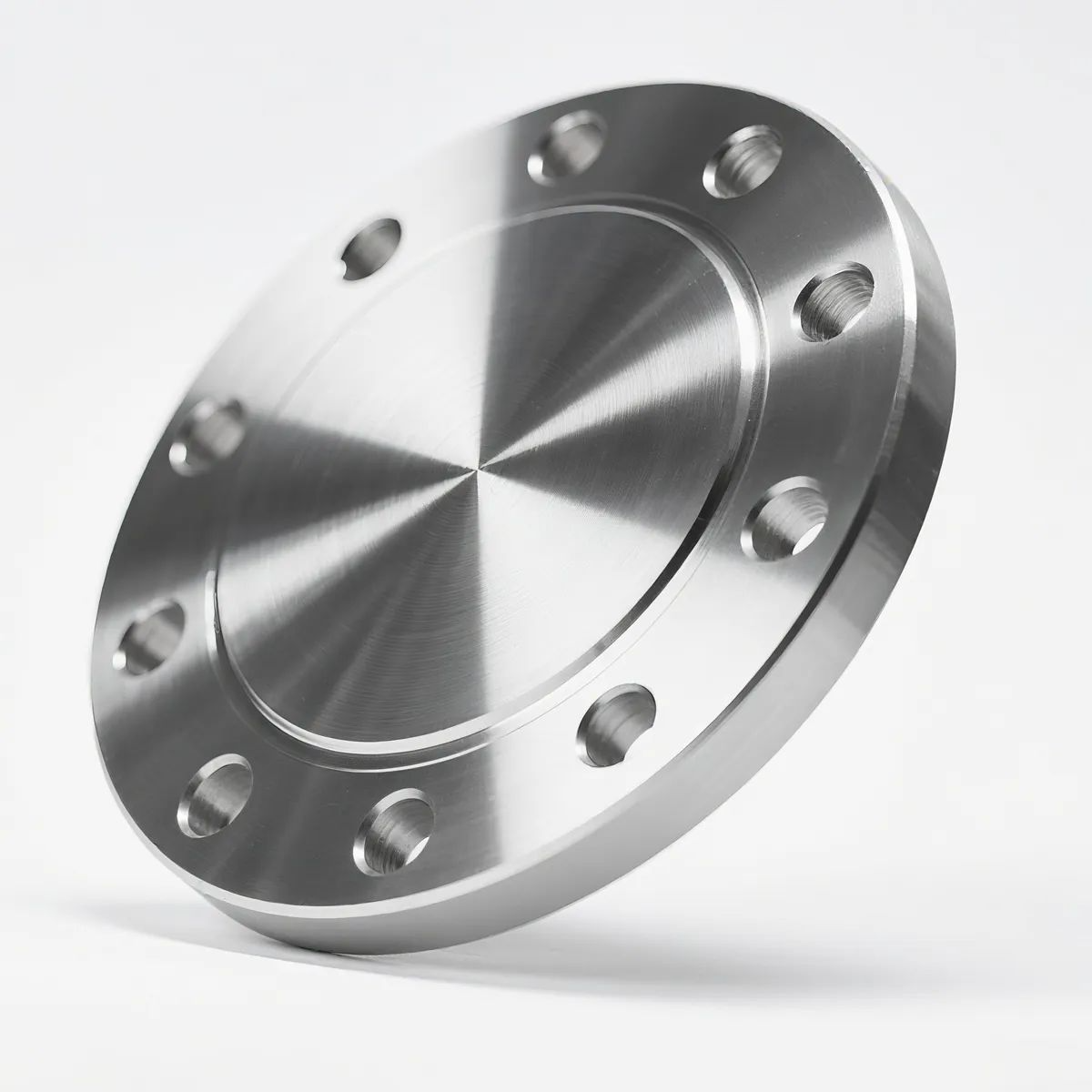
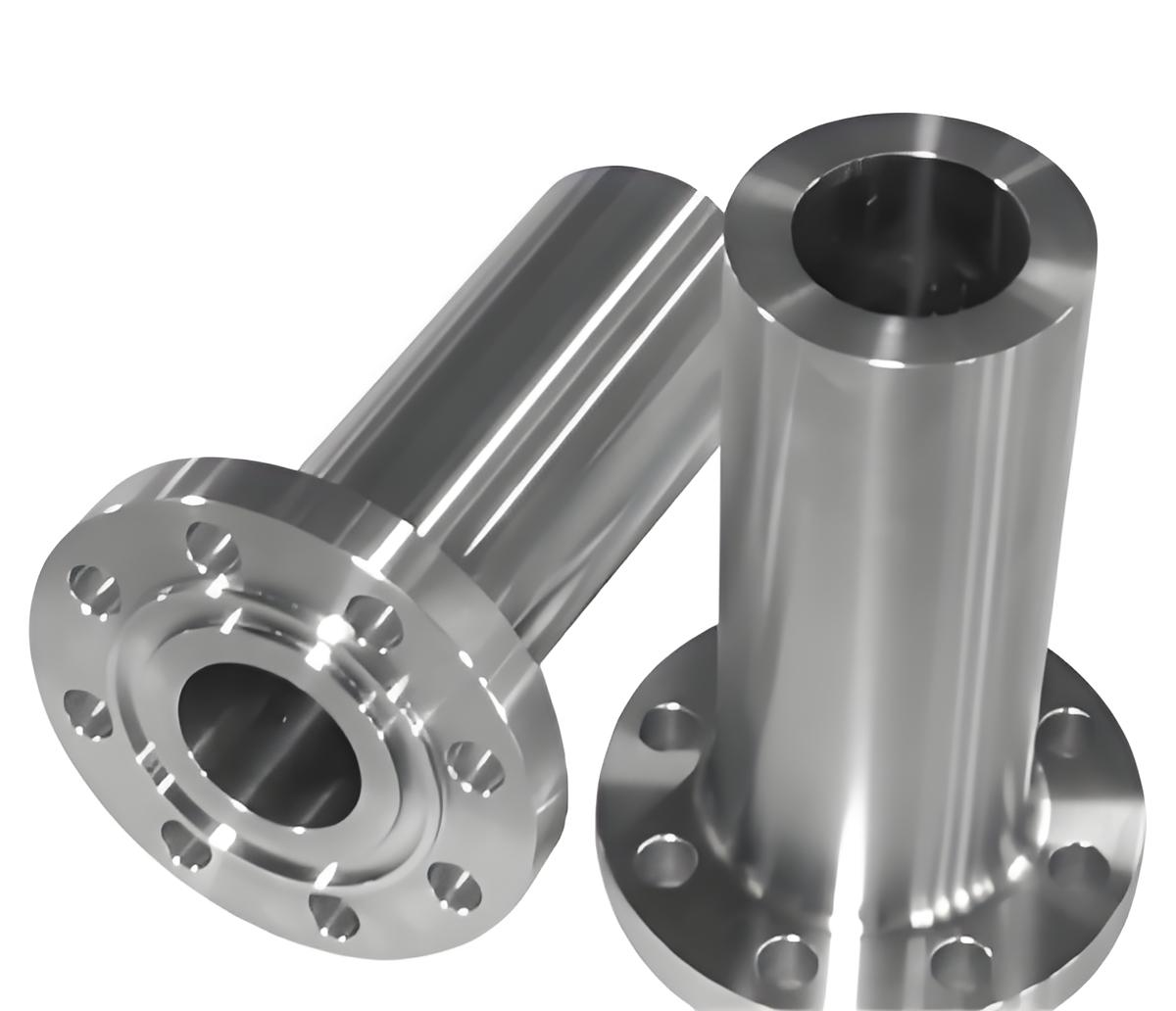
● Flanged Connection: Fixed by bolts on flange plates, facilitating disassembly and maintenance.
● Welded Connection: Permanent connection, suitable for high-pressure or high-temperature environments.
● Threaded Connection: Commonly used for small-diameter reducers, easy to install.
● Socket Connection: Mostly used for plastic or cast iron pipes.
5. Precautions
● Dimension Matching: Ensure that the pipe diameters and nominal diameters (DN) before and after the reduction meet the design requirements.
● Pressure Rating: The material and wall thickness must meet the working pressure of the pipeline system.
● Installation Direction: For eccentric reducers, pay attention to the slope direction (for example, in horizontal pipes, the low end should be the inlet and the high end the outlet).
● Fluid Mechanics: Concentric reducers may cause turbulence, and selection should be based on the working conditions.
6. Standards and Specifications
● Domestic Standards: GB/T 12459 (Steel Butt-welding Fittings), GB/T 13401 (Steel Plate Butt-welding Fittings).
● International Standards: ASME B16.9 (American Standard), EN 10253 (European Standard).