



News
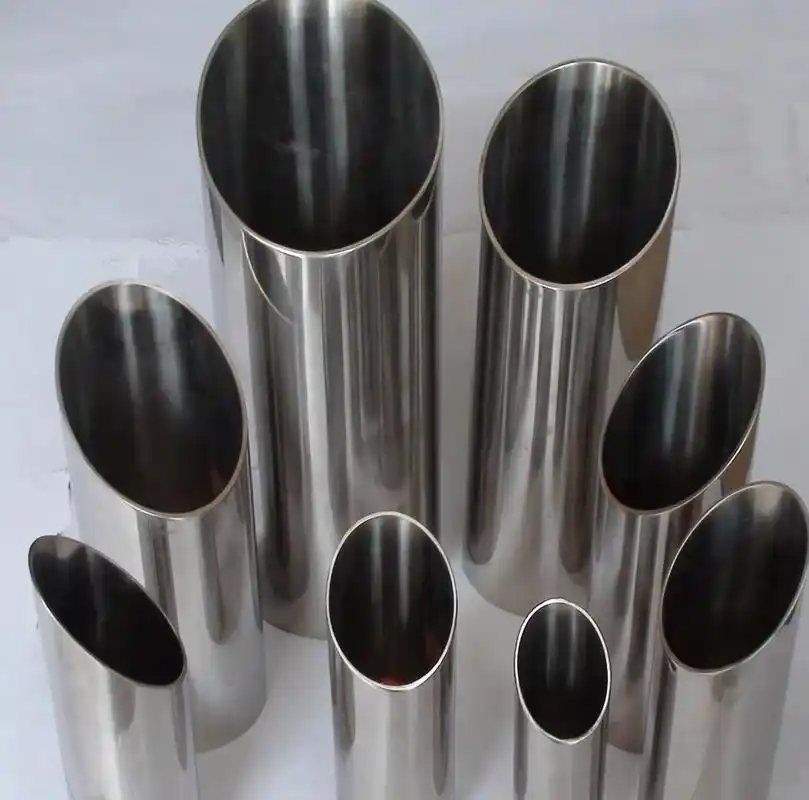
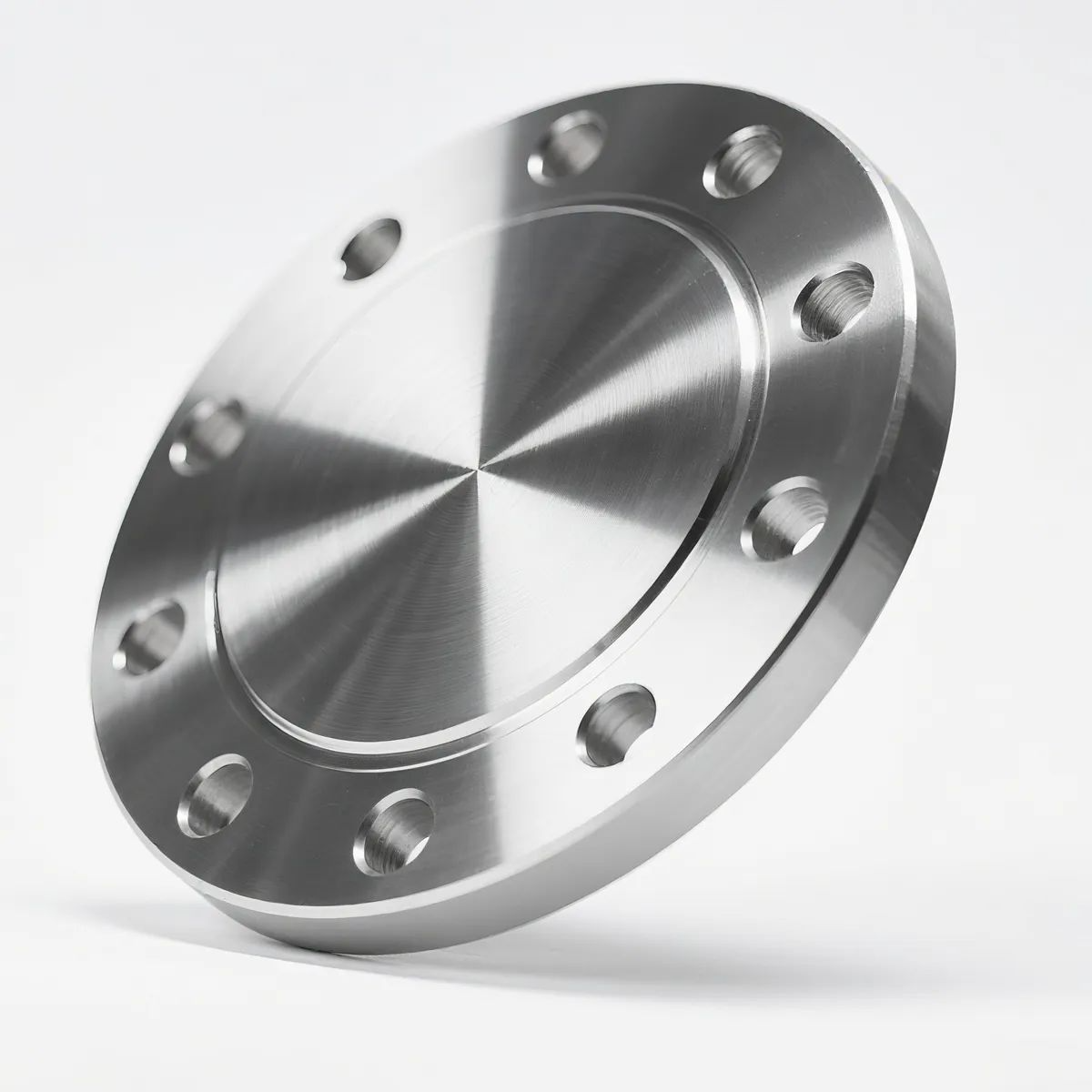
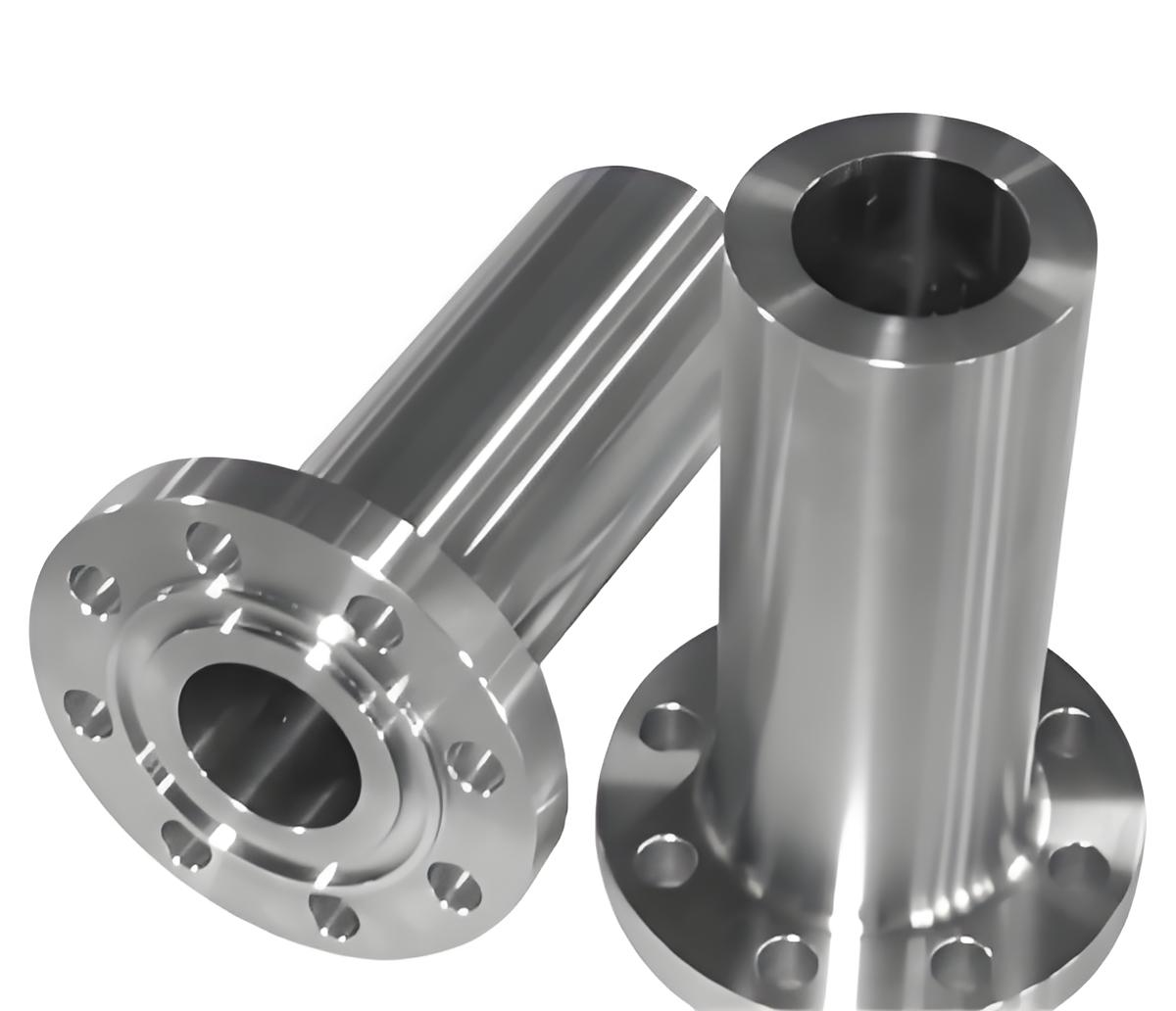
Common duplex stainless steel - B2205 performance and characteristics
1. Chemical Composition
Table 1 Chemical Composition of
| Steel grade | International Standards | Chemical composition,wt%,Typical values | ||||
| C | N | Cr | Ni | Mo | ||
| B2205 | S31803 | 0.02 | 0.16 | 21.5 | 5.3 | 2.8 |
| S32205 | 0.02 | 0.17 | 22 | 5.5 | 3.1 | |
2. Mechanical Properties
Table 2 Mechanical properties of B2205 in solution annealed state
| Steel grade | Thickness(mm) | Typical Mechanical Properties | |||
| Yield Strength Rp0.2(MPa) | Tensile Strength Rm (MPa) | Elongation(%) | Hardness(HV) | ||
| B2205 | P (15mm) | 550 | 768 | 46 | 225 |
| H (4mm) | 570 | 815 | 30 | 230 | |
| C (0.6mm) | 623 | 889 | 30 | 250 | |
Table 3 Mechanical properties at high temperature of B2205 for solution annealed product
| Temperature(℃) | Minimum values | Typical values | ||||
| R0.2(Mpa) | Rm(MPa) | EL(%) | R0.2(Mpa) | Rm(MPa) | EL(%) | |
| 100 | 370 | 630 | 25 | 453 | 717 | 37 |
| 150 | 345 | 600 | 25 | 433 | 683 | 35 |
| 200 | 330 | 580 | 22 | 405 | 665 | 32 |
| 250 | 320 | 570 | 20 | 395 | 658 | 29 |
| 300 | 310 | 560 | 20 | 373 | 655 | 28 |
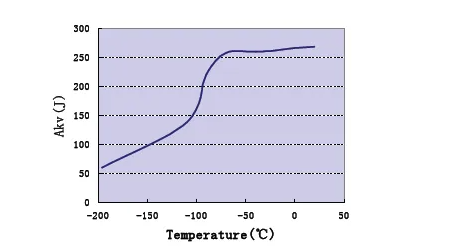
Impact energy of B2205 at different temperatures (sample size 10x10mm, Charpy-V)
3. Corrosion Resistance
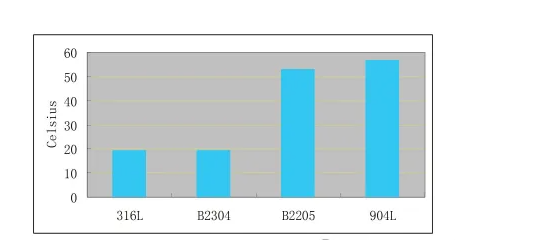
The critical pitting temperature (CPT) of B2205 obtained according to ASTM G150 test
Table 4 Pitting corrosion rate of B2205 according ASTM A923 06C
| Steel grade | Testing temperature | Testing time(h) | Corrosion rate(mg/dm²) |
| B2205 | 25±1 | 24 | 1.21 |
The sulfide stress corrosion cracking constant load tensile test was conducted on 2205 steel plate in accordance with the standard GB/T4157-2006, with reference to NACE TM0177-1996 from the National Association of Corrosion Engineers.
Table 5 Stress corrosion resistance of B2205
| Test Standard | Stress(KN) | Time(h) | Cracking or not | Evaluation |
| GB/T4175-2006 | 0.8Rp0.2 | 720 hours | No | Qualified |
Table 6 lnergranular corrosion resistance of B2205 measured according GB/T 4334.3-2000
| B2205 | Time (hour) | Whether intergranular corrosion occurs or not | ||
| 48(h) | 96(h) | 144(h) | No | |
| Corrosion (g/㎡-h) | 0.385 | 0.124 | 0.120 | |
4. Characteristics and Advantages of Duplex Stainless Steel 2205
Advantages:
(1) The yield strength of 2205 duplex stainless steel is more than twice that of austenitic stainless steel, while maintaining sufficient plasticity and toughness for forming. Using 2205 duplex stainless steel to manufacture pressure vessels can reduce wall thickness by 30-50% compared to 316L stainless steel, helping to lower costs.
(2) 2205 duplex stainless steel exhibits excellent resistance to stress corrosion cracking, especially in chloride-rich marine environments where stress corrosion is a significant challenge for austenitic stainless steels, including 316L.
(3) The coefficient of linear expansion for 2205 duplex stainless steel is lower than that of 316L stainless steel and closer to Carbon Steel, making it suitable for connections with carbon steel, which is of great engineering significance.
(4) Under both dynamic and static loading conditions, 2205 duplex stainless steel has higher energy absorption capacity than austenitic stainless steel, providing significant advantages and practical value for structural components or pipelines in handling sudden events such as impacts or explosions.
Everything in the world has two sides—its strengths and its weaknesses. Just like duplex stainless steel, despite its many advantages, it also has limitations.
Disadvantages:
(1) It is less versatile and widely applicable than austenitic stainless steel. For example, its operating temperature must be kept below 250°C.
(2) 2205 duplex stainless steel exhibits intermediate temperature brittleness, requiring strict control over heat treatment and welding processes to avoid the formation of harmful phases that could degrade performance.
The primary reason for the relative weaknesses of duplex stainless steel compared to austenitic stainless steel is its high ferrite content.