



News
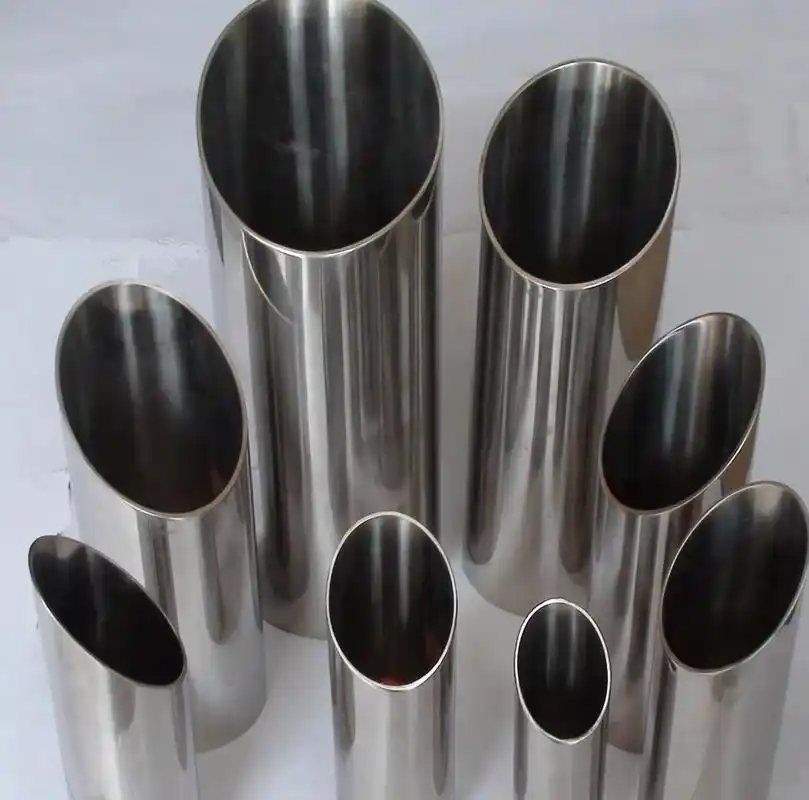
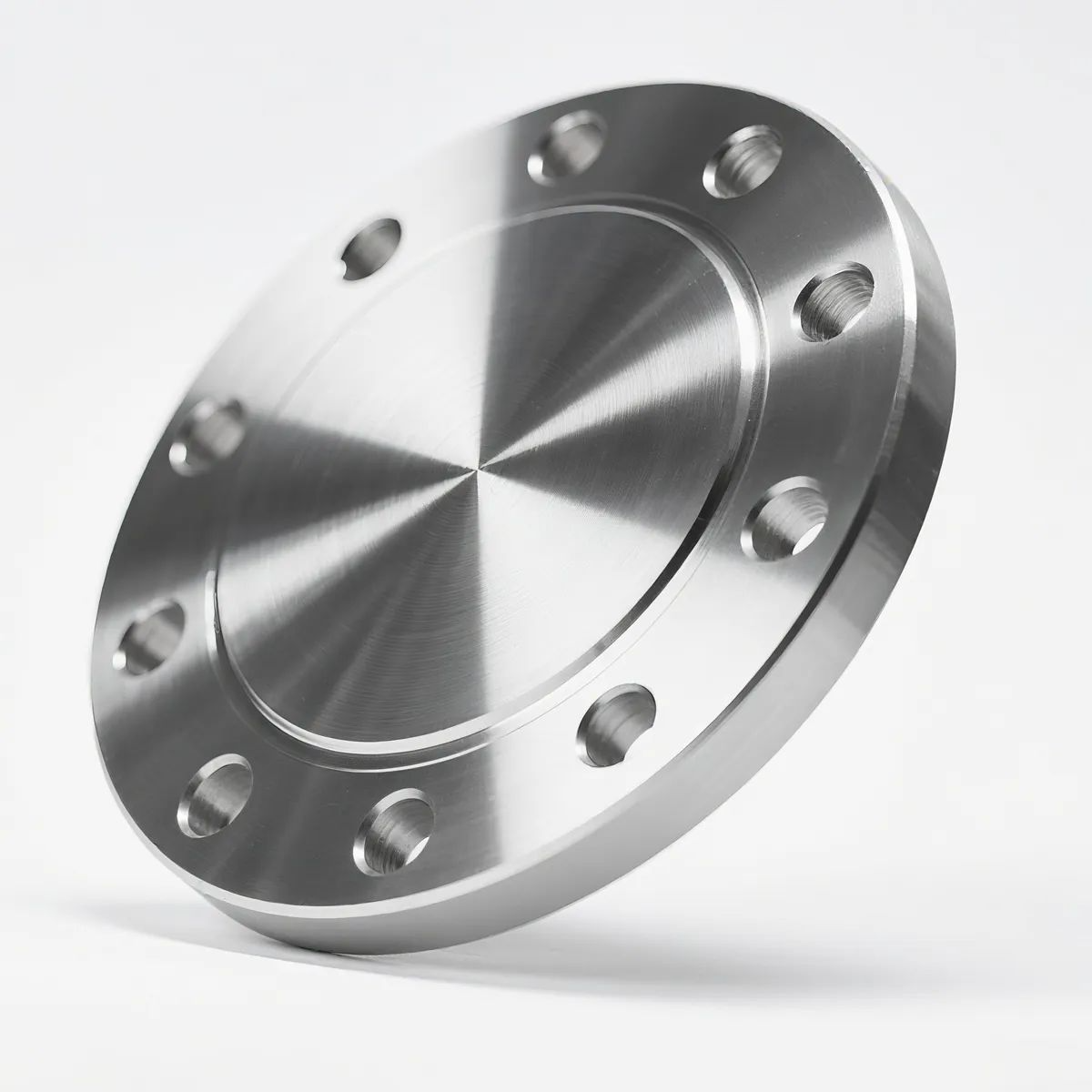
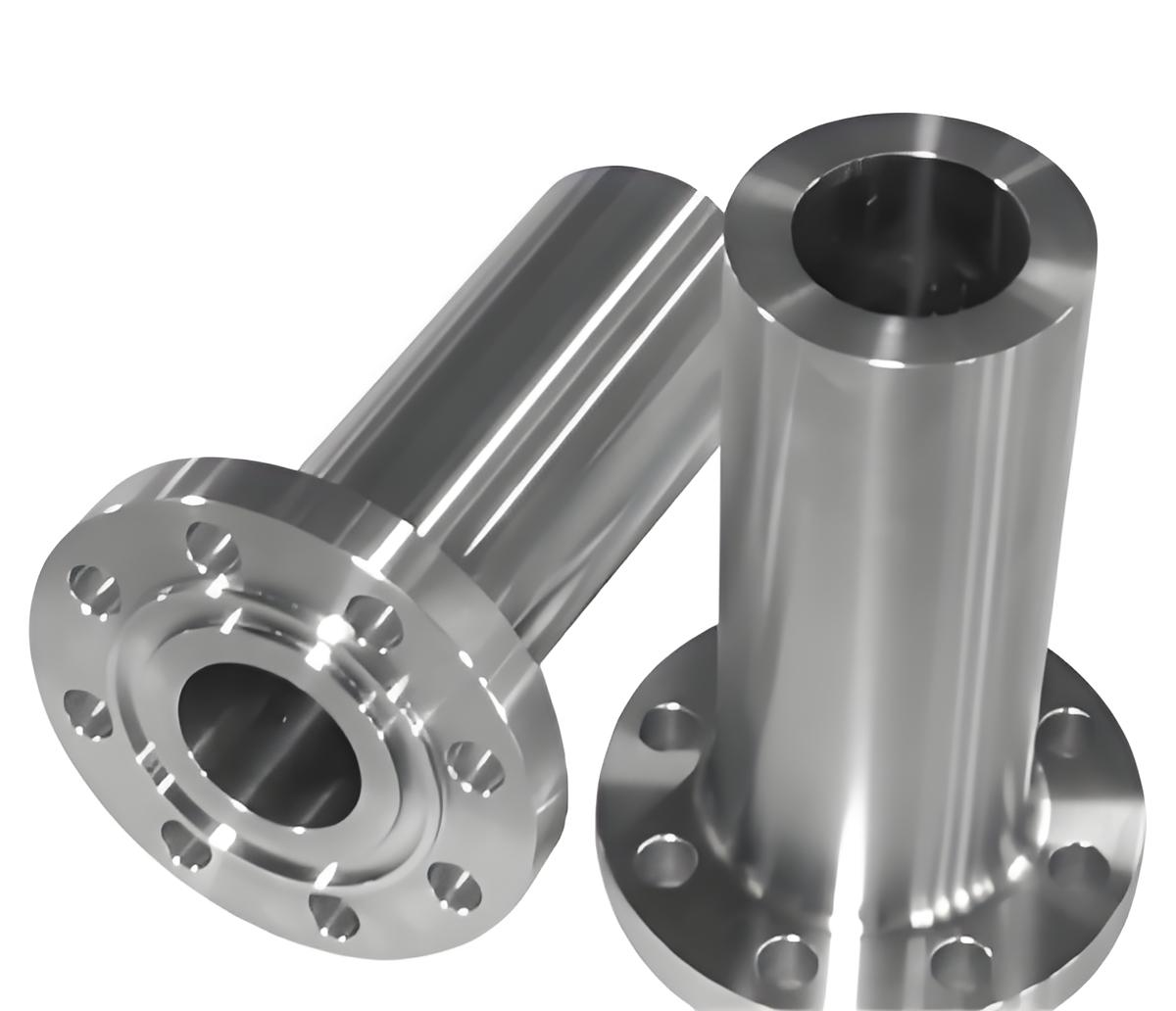
American standard flanges perform standard and class analysis
American Standard Flange, with ANSI/ASME standard system as its core, is widely used in petroleum, chemical, power and other fields. Its standard system and technical parameters have a high degree of standardization and universality, the following is a detailed analysis:
First, implementation of the standard system
1. Core standards
● ANSI B16.5: For Steel Pipe Flanges with nominal diameter (NPS) ≤24 inches (600mm), covering pressure classes Class 150 to Class 2500.
● ASME B16.5: Refines flange design requirements for pressure vessels and high temperature and pressure scenarios based on ANSI and complements ANSI standards.
● ASME B16.47: For large diameter flanges with NPS≥26 inches (650mm), divided into Series A (HG20623A) and Series B (HG20623B), compatible with MSS SP-44 and API 605 standards.
● API 605: Designed for oil and gas pipelines with an emphasis on corrosion resistance and compressive strength.
● AWWA C207: Standard for water supply engineering, flange size is different from the conventional US standard, commonly used in water treatment systems.
2. Stress level
● Class representation: Class 150 (PN2.0MPa), Class 300 (PN5.0MPa), Class 600 (PN10.0MPa), etc., up to Class 2500 (PN42.0MPa).
3. Material standards
● Carbon Steel: ASTM A105 (forgings), A350 LF2 (low temperature).
● Stainless steel: ASTM A182 F304/F316 (Austenitic stainless steel).
● Alloy steel: ASTM A182 F5/F91 (high temperature and high pressure).
Second, flange type and structural characteristics
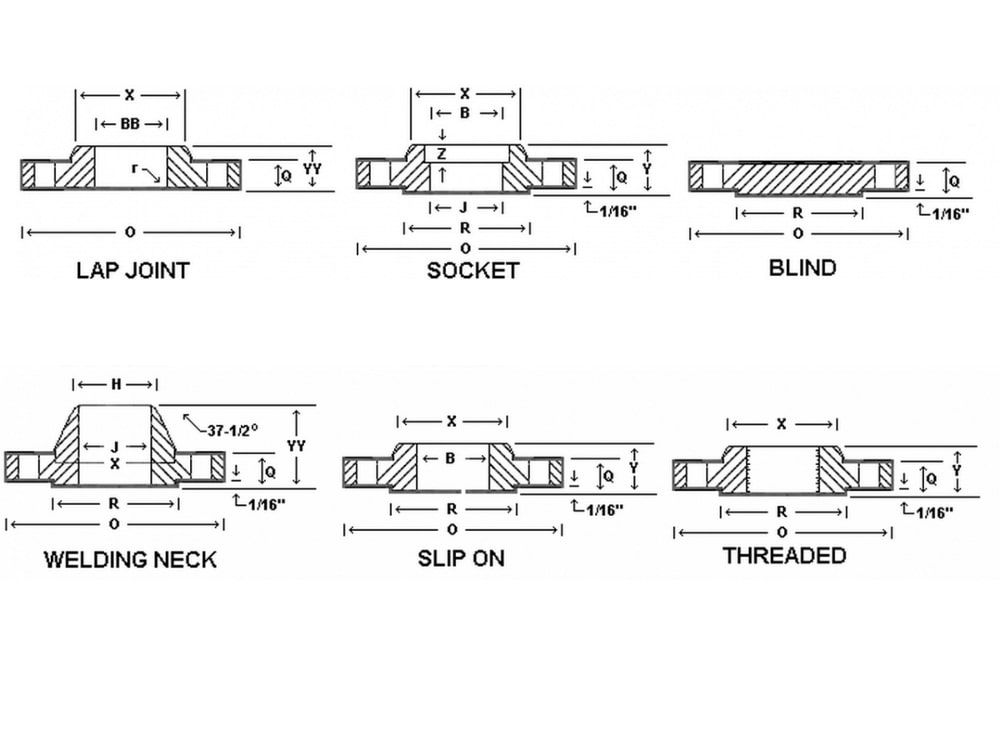
1. Categorize by connection type
| Type | Acronym | Structure feature | Applicable scene |
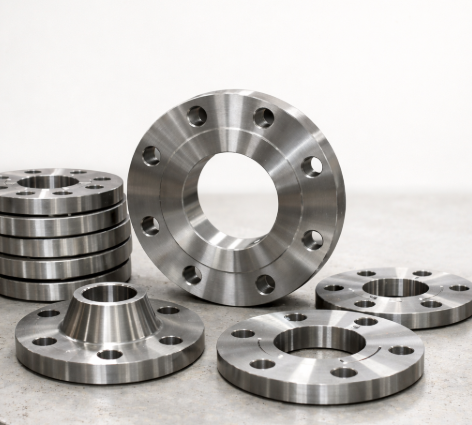
| Welding Neck Flange | WN | Flange and pipe butt welding, high strength, good sealing | High pressure pipeline, chemical equipment |
| Slip On Flange | SO | Flange neck and pipe flat welding, low cost | Low pressure piping, water treatment |
| BL | No central hole for isolating or temporarily sealing pipes | Maintenance, temporary plugging | |
| Socket Welding Flange | SW | Pipe insert flange welding, suitable for small caliber | Instrument pipeline, valve connection |
| TH | The flange is threaded to the pipe without welding | Low pressure, non-corrosive media |
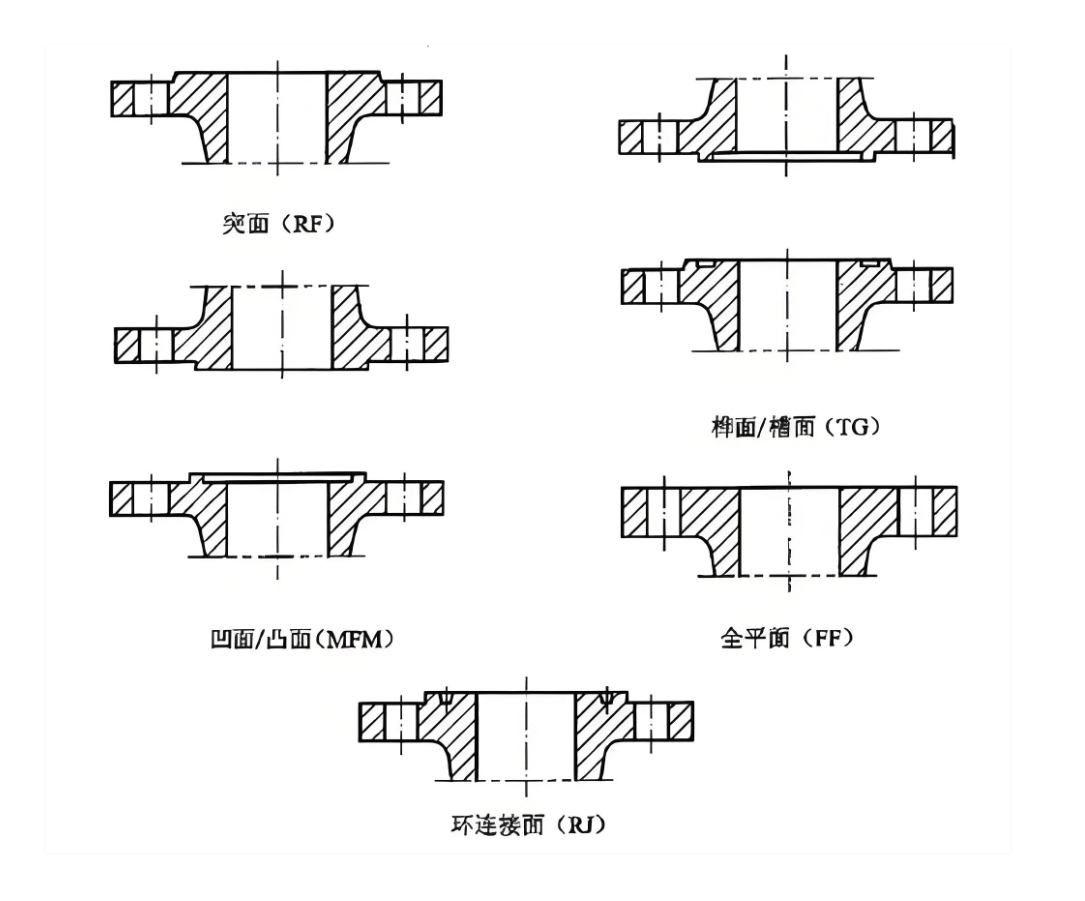
2. Classified by sealing surface form
● Flat (FF) : Low cost, suitable for low pressure non-corrosive environments.
● Concave and convex surface (FM) : Excellent sealing performance, common in medium pressure systems.
● Mortise and groove surface (TG) : strong leakage resistance for toxic media.
● Ring connection surface (RTJ) : metal ring seal, high temperature and high pressure (above Class 600).
3. Special type flanges
● Loose sleeve flange (LF/SE) : connected to the pipe by flanging for easy disassembly and maintenance.
● Flange Cover (BL) : temporarily seal the pipe, the material is the same as the corresponding flange.
Third, Key parameters and selection points
1. Size specification
● Nominal diameter (NPS) : 1/2"~24" (DN15~DN600), large caliber using ASME B16.47.
● Bolt hole distribution: Class 150 flange bolt hole center circle diameter (C) is positively correlated with the pressure level, such as DN100 (4 holes) C=180mm.
2.Selection basis
● Medium characteristics: corrosive medium selected 316L stainless steel, high temperature selected ASTM A182 F91.
● Pressure temperature: The pressure rating is corrected according to the operating temperature to avoid exceeding the limit.
● Matching requirements: Ensure that the flange sealing surface and bolt holes are the same size, and switch gaskets across the system flange.
Fourth, application fields and market status
1. Main applications
● Petrochemical: 40% market share, used for reactor, heat exchanger connection.
● Power industry: The main steam pipeline of nuclear power plant adopts Class 900 flanges.
● Marine engineering: Seawater desalination system uses two-phase steel flanges (such as 2205).
2. Market trends
● High-end: Development of corrosion resistant alloys (such as Hastelloy C276) flanges.
● Intelligent: Integrated sensor monitoring flange stress state, prevent leakage.
Fifth, standard comparison and compatibility
| Standard system | Representative standard | Pressure rating | Sealing surface type | Typical application |
| ASME | ASME B16.5 | Class 150~2500 | Concave and convex surface, ring connection surface | Industrial pipes, pressure vessels |
| EN | EN1092-1 | PN16~PN100 | Flat, mortise and groove surface | European chemical plant |
| JIS | JIS B2220 | 5K~20K | Plane, concave | Utilities in Asia |