



News

A Complete Guide to Blind Flanges
1. What Is a Blind Flange?
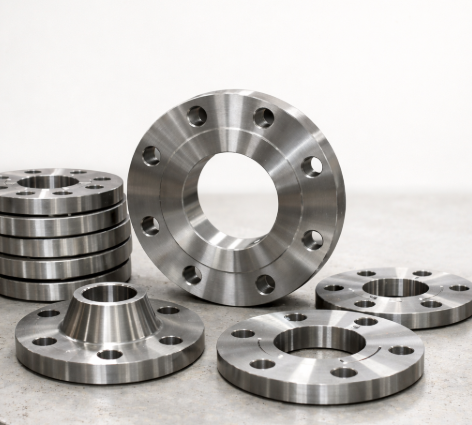
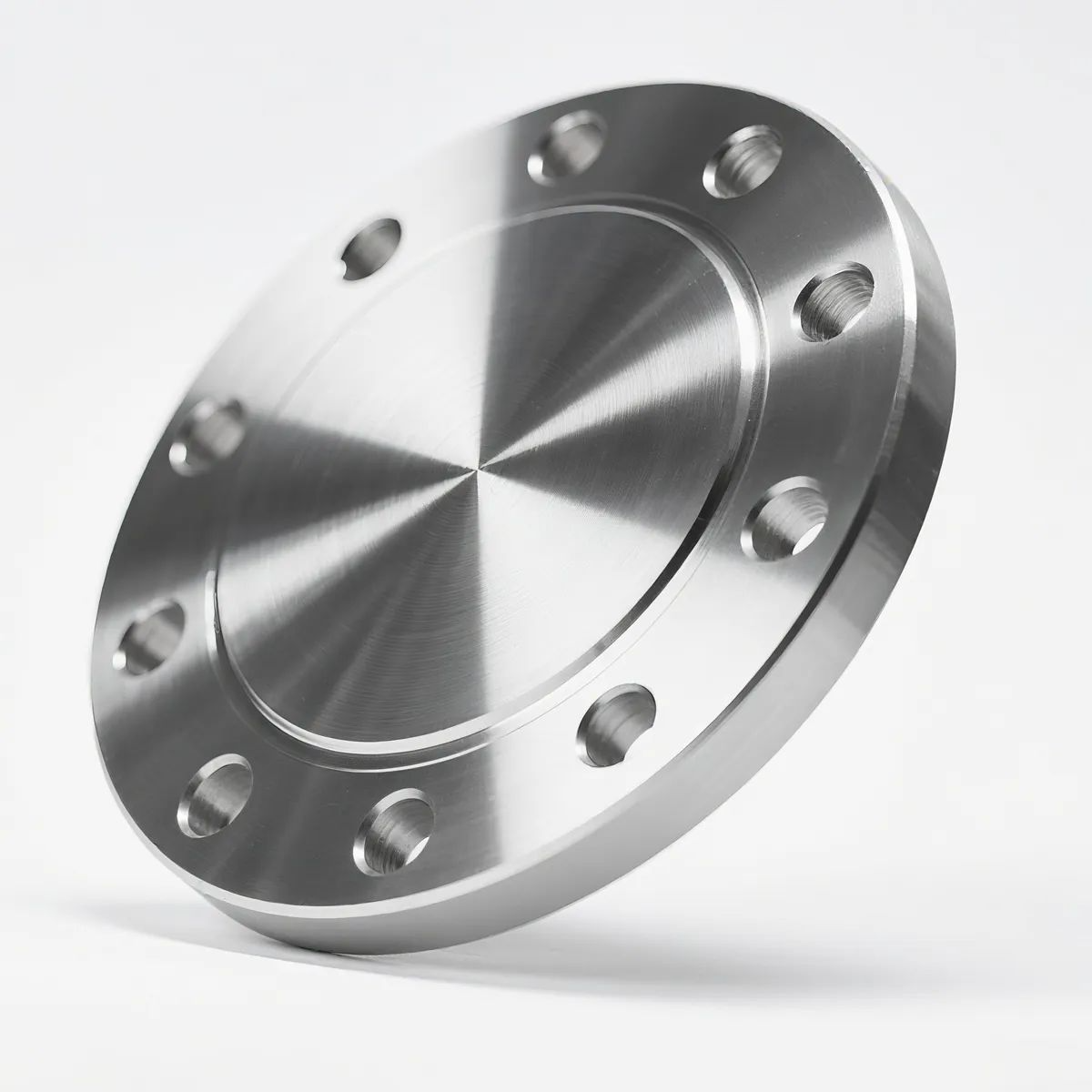
A blind flange is a solid disk used to block off a pipeline or vessel. It is mounted via bolting and lacks a central bore, making it ideal for high-pressure applications. This design allows for straightforward access when future modifications, inspections, or system expansions are necessary, reinforcing safety and operational reliability.
2. Common Types of Blind Flanges
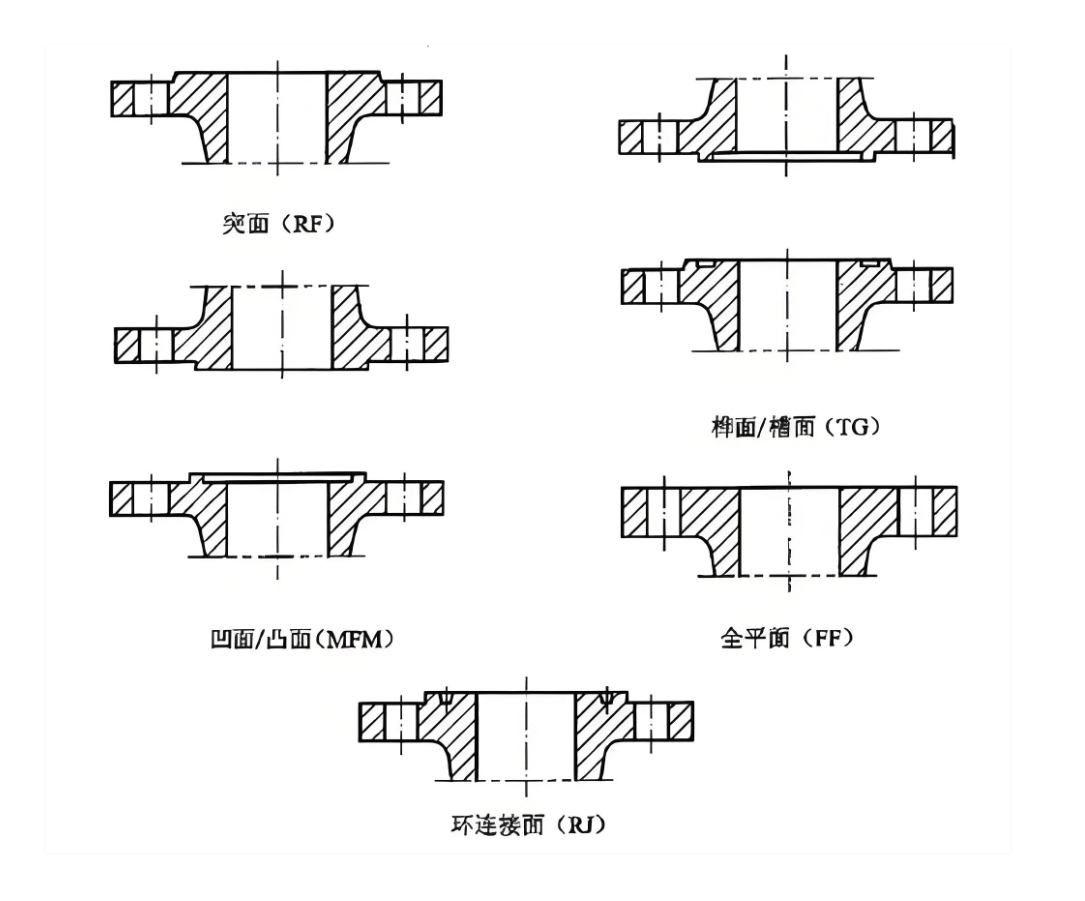
There are several designs suited to different operational conditions:
- Raised Face Blind Flange
- Flat Face Blind Flange
- Ring-Type Joint Blind Flange
Selection among these types depends on factors such as pressure levels, sealing mechanisms, and the nature of the connected piping or vessel.
3. Materials of Construction
The reliability and service life of a blind flange depend heavily on material choice. Commonly used materials include:
- Carbon Steel
- Stainless Steel
- Alloy Steel
- Duplex Steel
Material selection is influenced by operating temperature, pressure conditions, and fluid characteristics. Stainless steel, for example, is often selected for corrosive settings due to its excellent resistance to rust and chemical erosion.
4. Manufacturing Processes
Blind flanges are produced via forging or casting:
- Forged flanges provide high strength and durability, suitable for high-pressure duties.
- Cast flanges allow more complex shapes and are typically applied in low-pressure environments.
5. Typical Applications
These flanges are employed across industries such as:
- Oil & Gas
- Chemical Processing
- Power Generation
- Pharmaceuticals
- Food and Beverage
They are especially useful where a secure and leak-free seal is required—whether temporary or permanent.
6. Benefits of Using Blind Flanges
Key advantages include:
- Facilitating pressure tests on pipeline segments
- Allowing future system expansion
- Enabling safe isolation of sections
- Minimizing maintenance downtime
Their adaptability makes them a cost-effective solution in most piping configurations.
7. Selection Guidelines
Selecting the right blind flange involves evaluating:
- Pressure rating
- Material compatibility with service fluid
- Gasket and sealing type
- Flange face design
8. Installation and Maintenance
Correct installation is vital to achieve a leak-tight seal. Routine inspections should check for corrosion, stress cracking, and gasket deterioration. Timely replacement of damaged flanges is necessary to uphold system safety.
9. Comparison with Other Flange Types
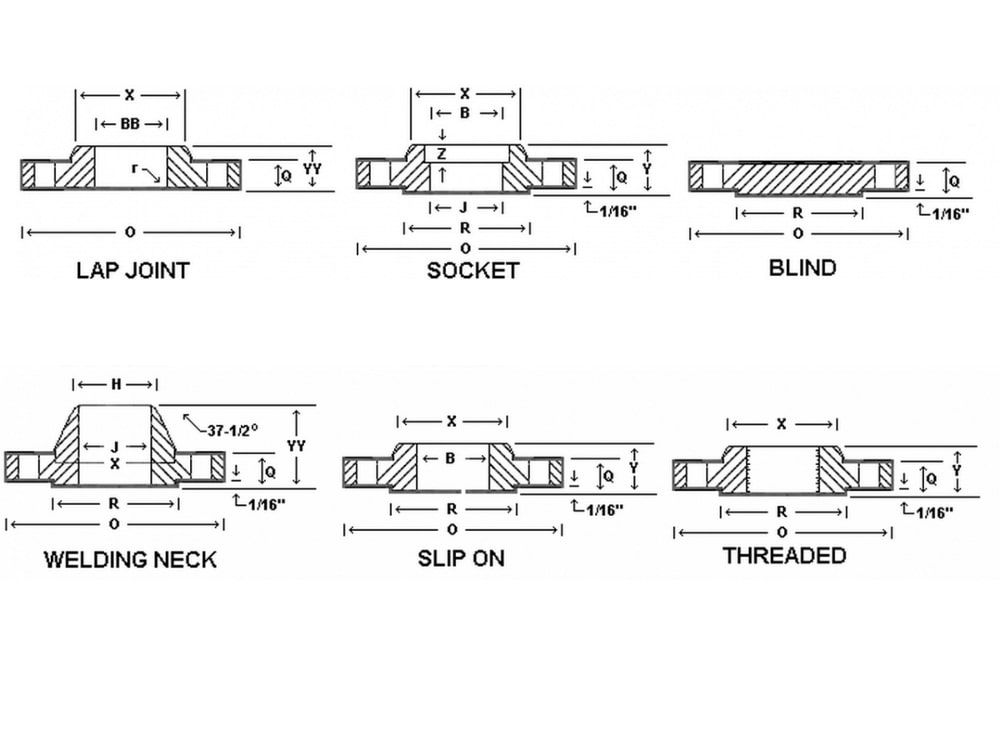
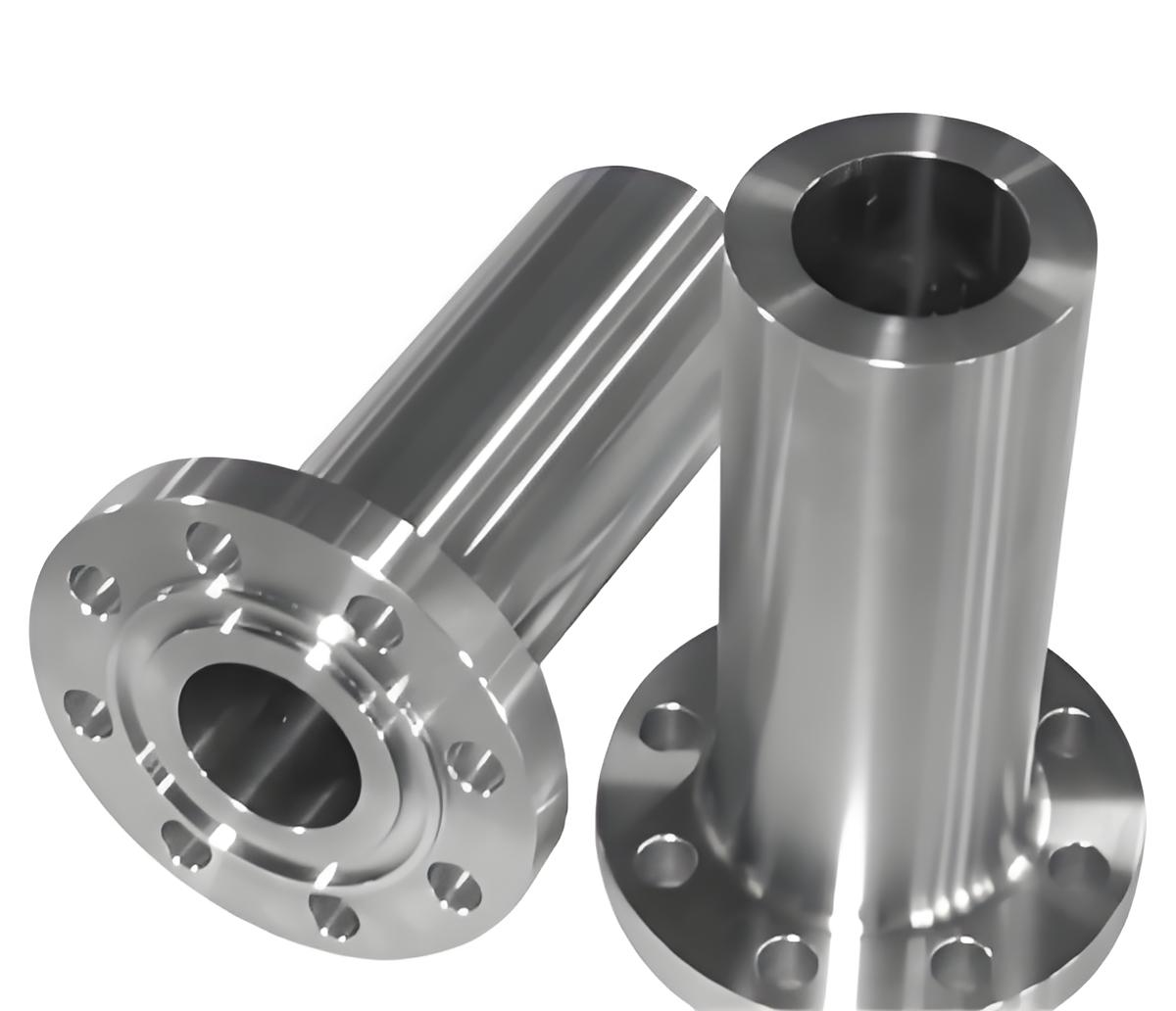
Unlike slip-on or weld neck flanges—which connect piping—blind flanges are specifically designed to seal off flow. This makes them invaluable in shutdowns, maintenance, and testing scenarios.
10. Common Pitfalls to Avoid
To prevent operational failures:
- Always match pressure ratings to system requirements
- Select gasket materials compatible with the fluid
- Consider corrosion resistance needs
- Apply correct torque during installation
Conclusion
Blind flanges are indispensable in modern piping systems for sealing, isolating, and maintaining pipeline integrity. Every aspect—from material choice to installation quality—directly affects system performance and safety. Whether in petrochemical, food processing, or water treatment applications, selecting high-quality blind flanges is fundamental to system success.