What Is a Stiffening Plate and Why Is It Used?
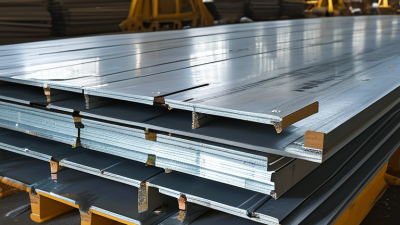
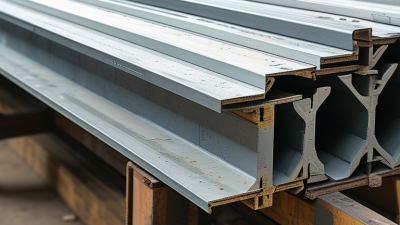
A Stiffening Plate is a steel component added to strengthen a structural member. It helps control bending, buckling, and local deformation under working loads. Engineers commonly install these plates in beams, columns, tanks, bridges, and heavy equipment frames. Their shape and position depend on the load path.
The purpose seems simple. It is not always simple. By increasing local stiffness, a Stiffening Plate can spread force across a larger area. It may also support a connection where concentrated loads create stress. For example, a plate beneath a beam connection can limit web crushing. A vertical plate inside a box section can reduce panel movement. Small details matter. Plate thickness, edge distance, weld size, and corrosion protection all influence performance.
A thicker plate is not automatically better. Poor alignment can introduce unexpected stress. An oversized weld may create distortion or residual strain. Reliable design therefore requires accurate drawings, suitable materials, qualified fabrication, and careful inspection. Engineers should check strength, stability, fatigue, drainage, and access for maintenance. Field conditions may differ from the original design assumptions. That difference deserves attention.
This article explains what a Stiffening Plate does and why engineers use it. It examines common applications, load-transfer behavior, fabrication choices, and inspection concerns. The goal is practical understanding, not a one-size-fits-all rule. Every structure has its own demands.
Definition and Basic Function of a Stiffening Plate
What Is a Stiffening Plate and Why Is It Used?
Definition and Basic Function of a Stiffening Plate
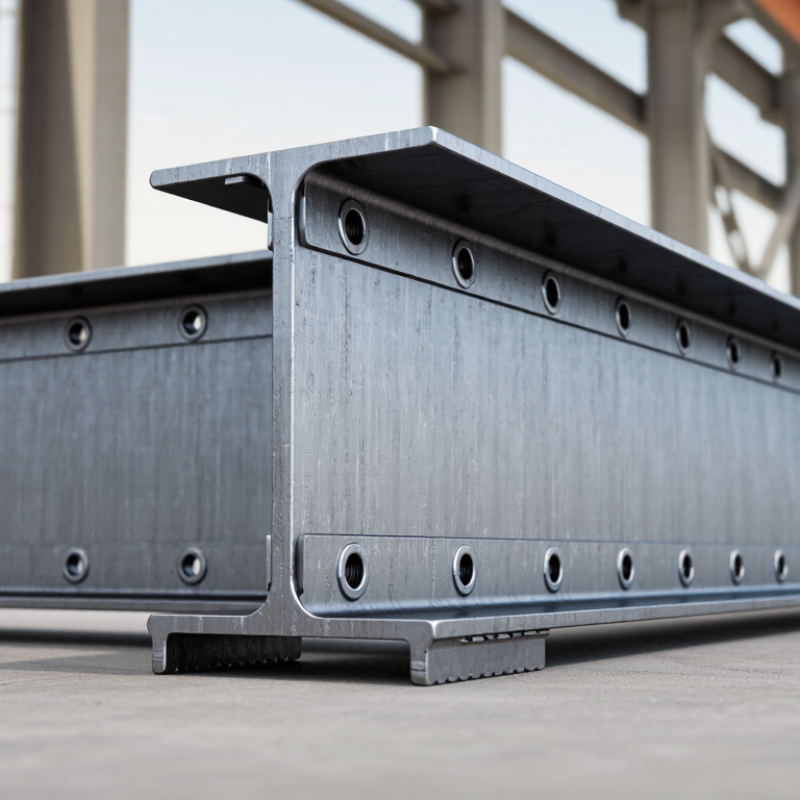
A stiffening plate is a welded or bolted steel plate added to strengthen a structural member. It usually supports a web, flange, connection, or bearing zone. Its basic function is simple: it spreads concentrated force and limits local deformation. For example, a plate beneath a crane runway reaction can reduce web crushing. A plate near a beam connection can also improve load transfer.
Engineers do not select a stiffener by appearance alone. They check plate slenderness, weld capacity, buckling resistance, and force distribution. AISC 360 and Eurocode 3 provide design requirements for these checks. Their methods treat stiffeners as parts of a complete load path, not decorative reinforcements. Practical inspection also matters. A small weld gap, poor fit-up, or interrupted weld can weaken the intended action.
The global steel context is significant. The World Steel Association reported approximately 1.88 billion tonnes of crude steel production in 2023. Much of this material enters buildings, bridges, platforms, and industrial frames. Efficient stiffening can reduce repairs and unnecessary plate thickness, but the savings are not automatic. Sometimes, a thicker member is safer and cheaper. That judgment needs calculations, fabrication experience, and site feedback.
A stiffener is not always the best answer. Clearance, corrosion, fatigue, and access may change the design. Real structures are less tidy than drawings.
Common Materials and Structural Designs
What Is a Stiffening Plate and Why Is It Used?
Common Materials and Structural Designs
A stiffening plate is a flat structural component that strengthens beams, joints, brackets, and thin panels. It helps resist bending, twisting, and local buckling. In practice, engineers select its material after reviewing load direction, temperature, corrosion, and fabrication limits. Small details matter. A plate that is too thin may buckle, while excessive thickness can increase cost and connection stress.
Common materials include carbon steel, stainless steel, aluminum, and fiber-reinforced composites. Carbon steel offers high strength and easy welding, but it needs protection in humid or salty environments. Stainless steel resists corrosion well, although its cost and welding requirements may complicate a project. Aluminum reduces weight, yet its lower stiffness may require a thicker design. Composite plates can be lighter, but engineers must examine delamination, fire performance, and moisture exposure. Material certificates and inspection records improve reliability.
Structural designs vary with the force path. A flat plate may support a simple bracket, while ribbed, folded, or gusseted plates can control movement more efficiently. Designers often add stiffeners near bolt holes, welds, openings, and sharp geometry changes. Rounded corners can reduce stress concentration. However, no universal shape works everywhere. That assumption can be wrong.
Tips: Match thickness to the actual load path, not appearance alone. Check weld access, drainage, edge distance, and corrosion allowance before fabrication. A peer review can catch assumptions that software misses.
How Stiffening Plates Improve Strength and Stability
A stiffening plate is a flat steel element attached to a beam, column, or connection. Its main purpose is to spread forces and prevent local deformation. Under compression, slender webs can buckle like thin rulers. A properly designed plate increases rigidity and helps keep the member stable.
Small part. Major effect.
In beams and columns, stiffening plates reinforce high-stress zones and support areas around openings. They also reduce distortion near welded connections. By distributing concentrated loads, the plate protects the main steel from yielding too early. Engineers select its thickness, shape, and location through structural calculations. These checks often include shear, bearing, buckling, fatigue, and corrosion allowance.
Details matter.
During field inspections, I have seen stiffening plates perform poorly because of gaps, incomplete welds, or trapped water. A thicker plate does not automatically create a safer structure. The surrounding steel may fail first. Designers should verify weld sizes, bolt spacing, edge distances, and inspection access. They should also question assumptions based only on static loads. Vibration, temperature changes, and repeated loading can reduce performance over time.
Careful detailing makes the difference.
Typical Applications Across Engineering and Construction
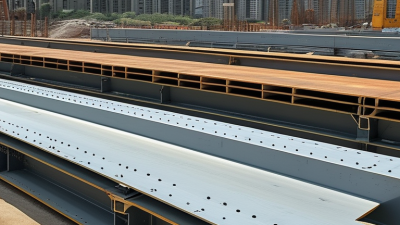
A stiffening plate is a steel plate attached to a beam, girder, column, or shell. It increases local rigidity and helps spread concentrated loads. Engineers use it where webs may buckle, distort, or fatigue under repeated forces. Typical details include transverse stiffeners near supports, bearing points, openings, and connection zones.
Bridge construction remains a major application. The Federal Highway Administration’s 2023 National Bridge Inventory lists more than 617,000 public-road bridges in the United States. Many steel bridges use stiffeners around bearings and floor-beam connections. These plates control web buckling and improve load transfer between girders and supports. The FHWA Steel Bridge Design Handbook also emphasizes checking welds, fatigue, corrosion protection, and constructability. A plate that looks adequate may still create a crack-prone detail.
Buildings use stiffening plates in columns, moment frames, crane runway beams, and transfer structures. In industrial facilities, they reinforce equipment supports, storage tanks, and pressure-containing shells. AISC 360-22 requires engineers to consider stability, yielding, shear, and connection behavior. Plate thickness alone is not enough. Weld access matters. Drainage matters too. Poor detailing can trap water behind a plate, accelerating corrosion. Designers sometimes add excessive steel, increasing weight and welding without improving performance. Careful inspection, realistic load paths, and site feedback usually produce better details.
What Is a Stiffening Plate and Why Is It Used?
A stiffening plate is a flat structural element welded, bolted, or integrated into a component to improve resistance to bending, buckling, vibration, and local deformation. The chart compares typical room-temperature elastic modulus values for common materials used in stiffening plates. A higher modulus generally indicates greater resistance to elastic deformation for the same geometry, although plate thickness, shape, restraint, and connection details are also critical.
Typical applications include reinforcing beam webs and flanges, ship and offshore structures, crane frames, building columns, bridge girders, equipment supports, brackets, and pressure-vessel components.