2026 How to Use a Stiffening Plate for Enhanced Structural Integrity?
In the quest for enhanced structural integrity, the use of a Stiffening Plate has gained significant attention. This component plays a crucial role in reinforcing various structures, offering increased stability and durability. Stiffening Plates are designed to distribute loads more effectively, minimizing stress concentrations that can lead to failure.
Implementing a Stiffening Plate requires careful consideration of materials and placement. Engineers must assess the specific needs of each project to determine the optimal configuration. Various industries, from construction to manufacturing, can benefit from this. However, not all designs incorporate them effectively.
The challenges often arise in the selection process. Some may overlook the importance of precision in integration. A poorly executed installation can diminish the advantages of a Stiffening Plate. Reflecting on previous projects may reveal gaps in understanding. Combining innovative designs with robust engineering principles is vital for success.
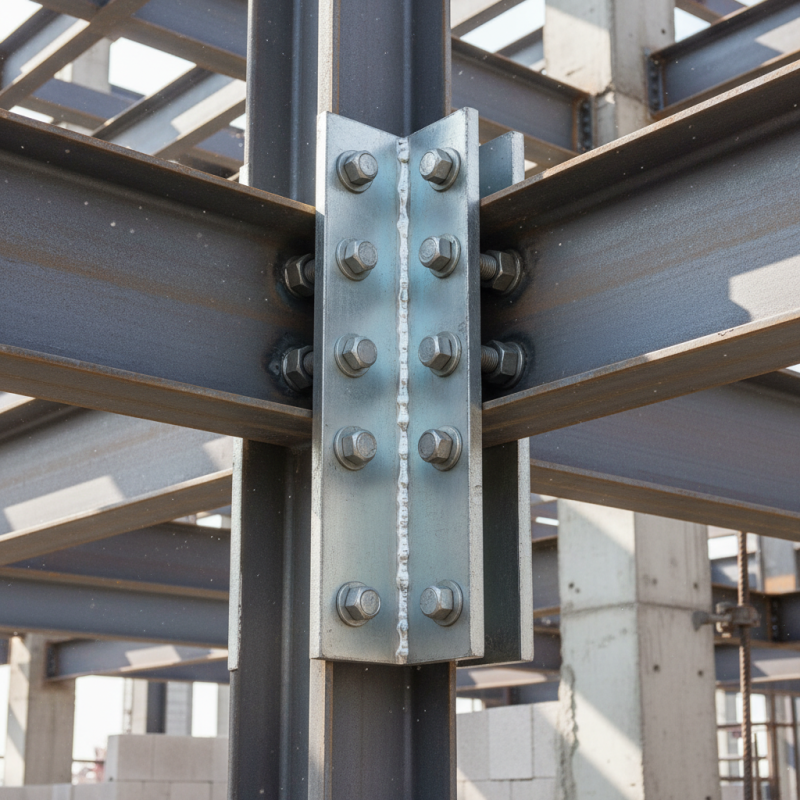
Understanding Stiffening Plates and Their Role in Structural Integrity
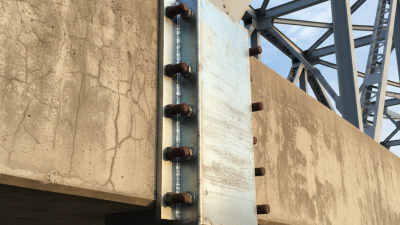
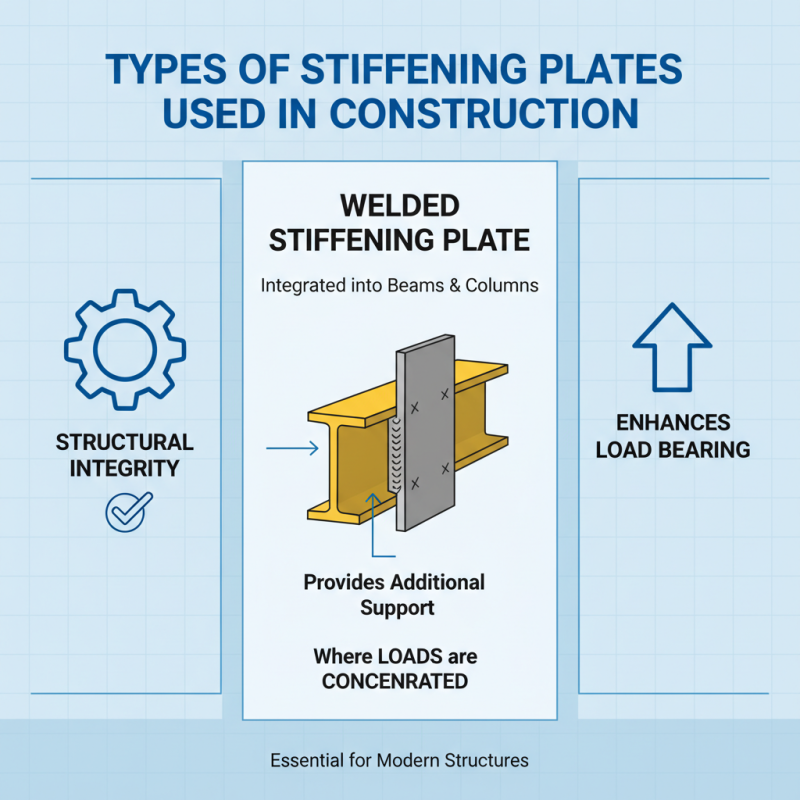
Stiffening plates play a crucial role in reinforcing structures. These plates are usually made from steel or composite materials. They provide additional support to beams, columns, and panels, reducing deformation under load. This is particularly important in buildings and bridges where safety is a priority.
Using stiffening plates can improve structural integrity in various scenarios. However, placement is critical. Improper placement can lead to stress concentrations. This may cause more harm than good. Engineers must analyze load paths thoroughly before installation. Any oversight could result in unexpected failures. Testing and simulation are essential steps that should not be overlooked.
Additionally, the thickness and size of the plates must be considered. A thicker plate might add more rigidity but could also increase weight. This added weight can affect overall stability. The choice of material is equally important. While steel is strong, it might be overkill for some structures. Choosing the right stiffening plate requires careful thought and sometimes, trial and error.
Stiffening Plates Impact on Structural Integrity
Design Considerations for Implementing Stiffening Plates
When designing structures, stiffening plates play a pivotal role in improving integrity. These plates are often used in beams, columns, and even walls. The placement of these plates must be carefully considered for optimal performance. They need to be strategically positioned to handle loads and control deflection. This means analyzing stress distribution is essential. Improper placement may lead to weak points and failure.
Material choice is also critical. Stiffening plates can be made from various materials like steel or aluminum. Each material has unique properties. For instance, steel is strong but heavy. Aluminum is lighter but may not carry as much load. Designers must weigh these factors. Thickness is key as well. Thicker plates add strength but increase weight. Striking the right balance is crucial here.
Connections between plates and surrounding structures require attention. They must ensure proper load transfer. This often involves welding or bolting, each with its pros and cons. Bad connections can compromise the entire structure. Reflecting on these aspects during design can prevent issues later. Every decision should consider long-term performance and safety.
Installation Techniques for Effective Stiffening Plate Use
When installing a stiffening plate, precision is essential. The plate must be cut to the accurate dimensions required for your structure. Inefficient measurements can lead to gaps, affecting structural integrity. Industry reports indicate that even a 1% misalignment can reduce strength by 5% or more.
Consider the material selection. The stiffening plate should be made from high-strength steel or aluminum, offering durability and resistance to deformation. Pay attention to the attachment points. Proper welding techniques or bolting can significantly enhance the performance of the stiffening plate.
*Tip: Ensure you have a clean surface before installation. Dirt or rust can weaken the bond.*
During installation, monitor temperature conditions. High temperatures can cause expansion, leading to misalignment. Use tools like a level to verify flatness. This ensures optimal load distribution.
*Tip: Regular inspections post-installation can catch early signs of stress or failure.*
Ultimately, applying the right techniques during installation is crucial for long-term performance. Stay aware of potential pitfalls and continuously refine your methods.
2026 How to Use a Stiffening Plate for Enhanced Structural Integrity? - Installation Techniques for Effective Stiffening Plate Use
| Dimension |
Value |
Unit |
Notes |
| Stiffening Plate Thickness |
10 |
mm |
Standard thickness for structural support |
| Material Type |
Steel |
N/A |
Commonly used for its strength |
| Welding Technique |
MIG Welding |
N/A |
Preferred method for joining plates |
| Load Capacity |
2000 |
kg |
Maximum load without deformation |
| Installation Angle |
45 |
degrees |
Optimal angle for stability |
Maintenance and Inspection of Stiffened Structures for Longevity
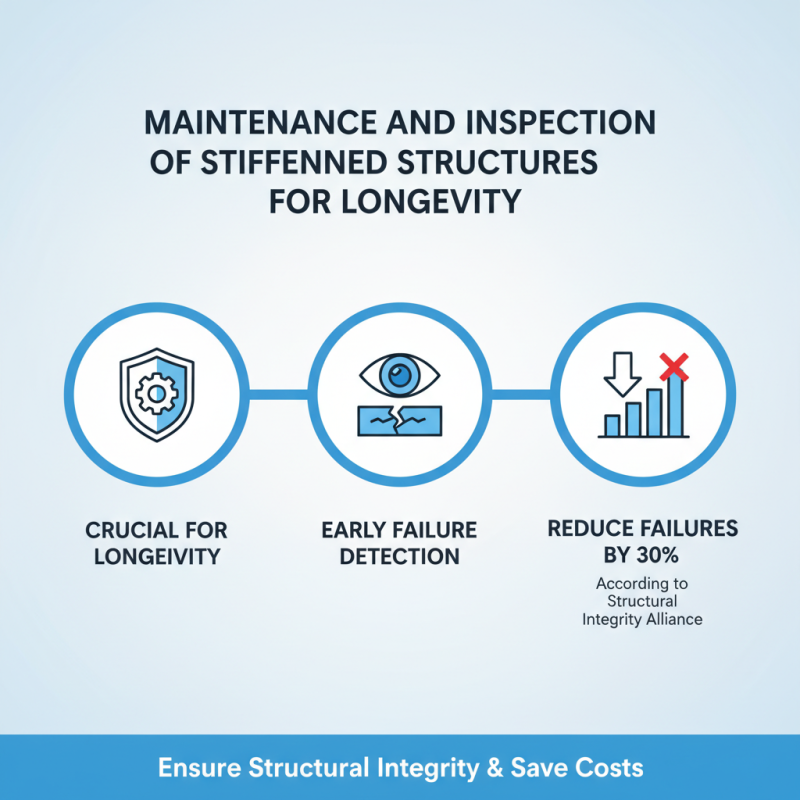
Maintaining and inspecting stiffened structures is crucial for ensuring their longevity and structural integrity. Regular examinations help identify potential failures early. According to the Structural Integrity Alliance, up to 30% of failures in such structures stem from inadequate maintenance.
Tips: Schedule inspections every six months. Look for signs of wear, corrosion, or misalignment. Small cracks can escalate into major issues if ignored.
A robust maintenance regime should include thorough visual inspections and non-destructive testing techniques. The American Society of Civil Engineers recommends that critical structures undergo detailed inspections at least once every year. Each inspection should provide insight into the overall condition and any needed repairs.
Tips: Use advanced technology for inspections. Drones and sensors can offer a comprehensive view. This can save time and enhance accuracy.
Documentation of each inspection is vital. It creates a history that can be analyzed for recurring issues. Many engineers overlook this step, yet adequate records can reveal patterns that lead to proactive measures. Properly maintained structures can see an increase in lifespan by up to 40%, as reported by the National Cooperative Highway Research Program. Prioritizing maintenance ensures not just safety, but also optimizes performance over time.