
Leave Your Message


Choosing among China’s top 10 90°Socket Elbow manufacturers requires more than comparing online catalogs. Buyers should examine production experience, material control, machining accuracy, and export reliability. A polished website cannot replace inspection records, test reports, and consistent samples.
This guide introduces manufacturers associated with industrial piping, oil and gas, chemical processing, power generation, and water systems. Their products may include forged carbon steel, stainless steel, alloy steel, and socket-weld fittings. Important details include ASME B16.11 dimensions, pressure ratings, wall thickness, heat treatment, and surface finish. Small differences matter. A poorly aligned socket can complicate installation and increase welding work.
Supplier verification should include factory capacity, quality procedures, material traceability, and independent inspection options. Buyers may request mill certificates, dimensional reports, hydrostatic test evidence, and sample photographs. Delivery performance also deserves attention, especially for custom sizes or urgent projects. Some manufacturers appear highly capable, yet public information can remain incomplete. That limitation should be acknowledged.
No list is perfect. Rankings can change with new equipment, management, certifications, or customer feedback. Therefore, this selection should support careful comparison rather than replace technical due diligence. The strongest supplier is not always the largest. It is the one that communicates clearly, meets the required specification, and delivers repeatable 90°Socket Elbow quality. A factory visit or pre-shipment inspection may reveal details that brochures never show. Reliability is built through evidence, not promises.
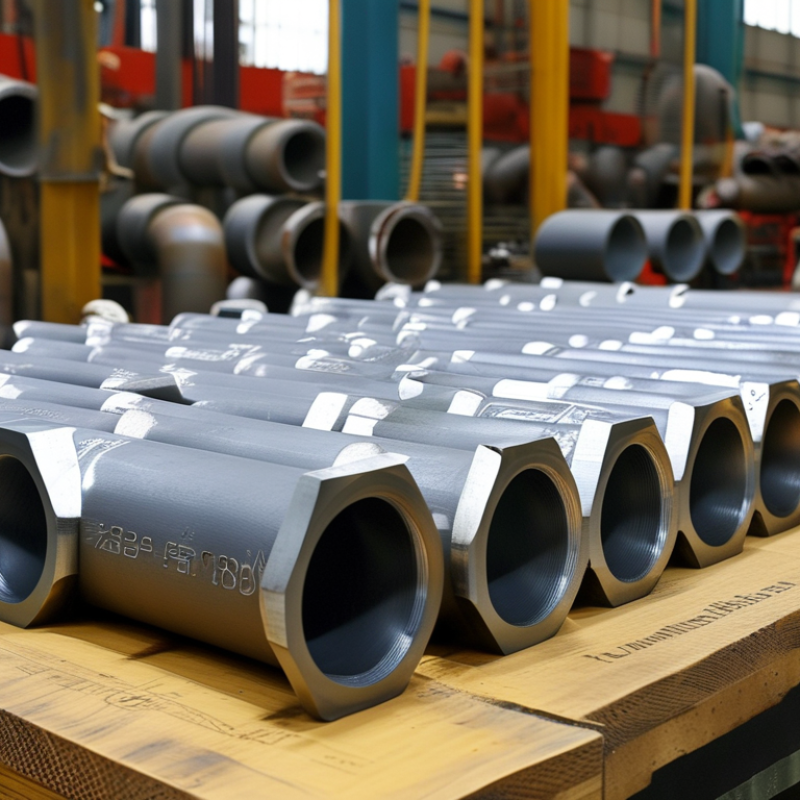
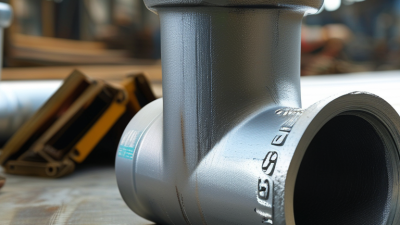
A 90° socket elbow is a pipe fitting that changes flow direction by a right angle. One end receives the pipe inside a socket. The joint is then secured by solvent cement, heat fusion, or another approved method, depending on the material. Unlike a threaded elbow, it usually has no internal threads.
These elbows are common in water supply, drainage, irrigation, compressed-air, and light industrial piping. They help route pipes around walls, tanks, pumps, and structural frames. In a small equipment room, one elbow may turn a vertical pipe toward a pressure gauge within a few centimeters. The fitting must match the pipe outside diameter, wall thickness, pressure rating, and service temperature.
Installation details matter. Cut the pipe squarely, remove burrs, and clean both surfaces before joining. A dry fit can reveal poor alignment. Marking the insertion depth is useful, although installers sometimes skip it under time pressure. That shortcut can create a weak joint. I have also seen elbows forced into tight spaces, leaving stress on nearby pipes. A short pipe section or a different routing angle may be safer.
Choose fittings that meet the project’s required standards and chemical compatibility. Water service and corrosive process lines do not need the same material. Check flow requirements too. A 90° turn adds resistance, especially in narrow systems. The fitting looks simple. The design decision is not.
A 90° socket elbow is a forged pipe fitting that changes the direction of a piping run by 90 degrees. In a socket-weld connection, the pipe is inserted into a recessed socket and welded around the outside of the fitting. The comparison below presents ten commonly specified, anonymous product configurations and technical benchmarks used when evaluating manufacturers, without displaying company names or brand information.
| Reference | Typical Nominal Size | Connection Type | Common Material Grade | Typical Pressure Class | Key Manufacturing or Product Standard | Typical Industries and Uses | Important Specification Considerations |
|---|---|---|---|---|---|---|---|
| Configuration 01 | 1/8 to 1/2 in | Socket weld, 90° elbow | ASTM A105 carbon steel | Class 3000 | ASME B16.11; ASME B16.5 pressure-temperature ratings where applicable | Instrument air, hydraulic lines, compact utility piping | Suitable for small-bore high-pressure service; verify socket depth, bore, and wall thickness before welding. |
| Configuration 02 | 3/4 to 1 in | Socket weld, 90° elbow | ASTM A105 carbon steel | Class 3000 | ASME B16.11; ASTM A105/A105M | Steam, condensate, compressed air, and general process piping | Forged construction is commonly selected where compact dimensions and high mechanical strength are required. |
| Configuration 03 | 1/2 to 2 in | Socket weld, 90° elbow | ASTM A182 F304/F304L stainless steel | Class 3000 | ASME B16.11; ASTM A182/A182M | Food processing, pharmaceutical utilities, clean water, and mildly corrosive services | Low-carbon F304L is often preferred for welded stainless-steel systems to reduce weld-area sensitization risk. |
| Configuration 04 | 1/2 to 2 in | Socket weld, 90° elbow | ASTM A182 F316/F316L stainless steel | Class 3000 | ASME B16.11; ASTM A182/A182M | Chloride-bearing water, chemical processing, marine, and hygienic piping | F316/F316L provides improved resistance to many chloride and chemical environments compared with 304 grades. |
| Configuration 05 | 1/2 to 2 in | Socket weld, 90° elbow | ASTM A182 F11 alloy steel | Class 3000 | ASME B16.11; ASTM A182/A182M | High-temperature steam, boiler, power-generation, and refinery piping | Alloy-steel grades require controlled welding procedures and appropriate post-weld heat-treatment review. |
| Configuration 06 | 1/2 to 2 in | Socket weld, 90° elbow | ASTM A182 F22 alloy steel | Class 3000 or Class 6000 | ASME B16.11; ASTM A182/A182M | High-pressure steam, petrochemical, thermal power, and elevated-temperature service | F22 is selected for higher-temperature strength; material certificates and heat-treatment records are important. |
| Configuration 07 | 1/2 to 2 in | Socket weld, 90° elbow | ASTM A182 F51 duplex stainless steel | Class 3000 | ASME B16.11; ASTM A182/A182M | Offshore, seawater, desalination, oil and gas, and chloride-rich process systems | Duplex grades require control of heat input and interpass temperature to preserve corrosion resistance and phase balance. |
| Configuration 08 | 1/2 to 2 in | Socket weld, 90° elbow | ASTM B564 nickel alloy, such as Alloy 625 | Class 3000 | ASME B16.11 dimensional practice; ASTM B564 material specification | Severe corrosion, sour-gas, chemical, offshore, and high-alloy process services | Confirm alloy chemistry, corrosion allowance, weld procedure qualification, and compatibility with the process medium. |
| Configuration 09 | 2-1/2 to 4 in | Socket weld, 90° elbow | Carbon steel or stainless steel, project specified | Class 3000 | ASME B16.11; project piping specification | Large-bore utility headers, industrial skid packages, and process modules | Availability varies by size and material; confirm whether the selected design is forged, wrought, or specially manufactured. |
| Configuration 10 | 1/2 to 2 in | Socket weld and threaded combination, 90° elbow | ASTM A105 or ASTM A182 stainless steel | Class 2000, 3000, or 6000 | ASME B16.11; ASME B1.20.1 for NPT threads where specified | Instrumentation, equipment connections, maintenance bypasses, and transition points | Threaded and socket-weld ends must be clearly identified; avoid mixing pressure ratings or incompatible materials in the same assembly. |
Selection note: Actual pressure-temperature capability depends on material grade, wall thickness, design temperature, corrosion allowance, weld quality, and the governing project code. ASME B16.11 covers forged socket-welding and threaded fittings, while ASTM A105, ASTM A182, ASTM B564, and related specifications define commonly used material requirements. Always confirm dimensions, end preparation, inspection requirements, and certificates against the latest approved piping specification.