
Inquiry
Leave Your Message

How to Install Tank Wall Manholes Effectively for Optimal Access

Installing Tank Wall Manholes effectively is essential for ensuring safe and efficient access to storage tanks. Industry expert Dr. James R. Thompson, a leading authority on tank infrastructure, emphasizes, "Proper installation of tank wall manholes can greatly enhance maintenance efficiency." His insights highlight the importance of expert practices in this area.

Tank Wall Manholes serve as critical access points for inspections and repairs. A well-installed manhole can prevent leaks and ensure compliance with safety standards. However, installation mistakes can lead to costly repairs and safety risks. Attention to detail during installation cannot be overstated. Every aspect, from size to location, plays a significant role.

Despite the necessity for high standards, challenges often arise. Flawed installations are common, which may stem from a lack of experience or inadequate planning. These pitfalls underscore the need for thorough training and careful consideration of site conditions. A reliable installation process is crucial for maintaining tank integrity and operational efficiency.

How to Install Tank Wall Manholes Effectively for Optimal Access

Understanding Tank Wall Manholes: Purpose and Benefits

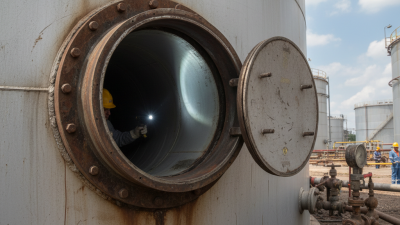
Tank wall manholes play a crucial role in maintenance and access to storage tanks. They provide openings for inspection, cleaning, and servicing. The design allows operators to enter the tank safely and perform necessary tasks. This significantly enhances the operational efficiency of tank systems. However, without proper installation, these manholes can become a weak point.

The benefits of tank wall manholes are manifold. They improve safety and ensure compliance with regulatory standards. Efficient manholes reduce downtime and minimize risks during maintenance events. Moreover, they facilitate easy access, which is vital for routine checks. Poorly designed or improperly installed manholes can lead to leaks and costly repairs. Therefore, careful planning is essential during installation.

It’s important to recognize that each facility has unique needs. Factors like tank size and location must be considered. Many project teams overlook these details, leading to suboptimal installations. Engaging with experienced professionals can help navigate these complexities. Doing so ensures that tank wall manholes function as intended and provide reliable access.

How to Install Tank Wall Manholes Effectively for Optimal Access

Dimension Value
Diameter of Manhole 36 inches
Wall Thickness 12 inches
Installation Depth 10 feet
Material Reinforced Concrete
Purpose Access for Maintenance
Expected Lifespan 50 years

Selecting the Right Location for Tank Wall Manhole Installation

How to Install Tank Wall Manholes Effectively for Optimal Access

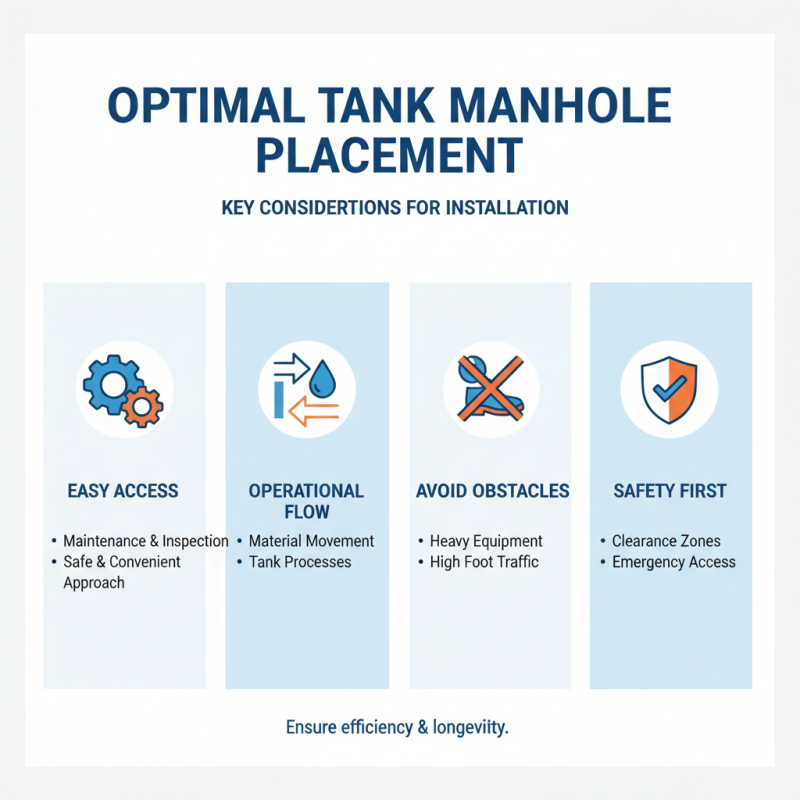
Selecting the right location for tank wall manhole installation is critical. A well-placed manhole ensures easy access for maintenance and inspection. Consider the tank's operations and the flow of materials. Avoid areas with heavy equipment or foot traffic. Look for spots that allow for a safe and convenient approach.

Tips: Assess proximity to utilities. Keep other structures or obstacles in mind. A clear access path can save time during maintenance tasks.

Evaluate potential installation sites under various conditions. For example, consider weather elements, like rain or snow. Ensure that the manhole remains accessible in adverse conditions. Planning for these factors can mitigate unexpected issues. Reflect on past installations to avoid repeated mistakes.

Following these guidelines leads to effective installation. A strategic location not only enhances accessibility but also promotes safety. Prioritize thorough evaluations to find the best position for your tank wall manhole.

Preparing the Site: Tools and Materials Needed for Installation

Preparing for the installation of tank wall manholes requires careful planning. Ensuring you have the right tools and materials is crucial. Basic tools include wrenches, chisels, and tape measures. You’ll also need concrete and sealants for a secure fit. Organizing your tools ahead of time can minimize confusion. Proper preparation can save time and effort.

When gathering materials, check that they meet quality standards. Inferior materials may lead to leaks or structural issues later. It’s wise to have extra supplies on hand. Installation might not go as planned, and running out of materials can be frustrating. Consider pre-assembling components when possible. This can help with efficiency during the actual installation.

Tip: Always wear protective gear, including gloves and goggles. This can prevent injuries. Moreover, double-check the site’s measurements. Miscalculations can complicate the installation process. Regularly reviewing each step during the preparation can lead to a more successful installation. Safe work practices can’t be overlooked. They ensure your safety and the longevity of your installation.

Step-by-Step Guide to Installing Tank Wall Manholes

Installing tank wall manholes requires careful planning and execution. First, ensure that the selected location is optimal for access. Measure the site properly before digging to avoid unexpected complications. Consider the terrain and accessibility for maintenance vehicles. This preparation helps ensure the installation process runs smoothly.


Next, dig a hole that meets the specified dimensions for the manhole. The hole should be deep enough to accommodate the structure and provide proper drainage. Use a level tool to check that the base is flat. If the ground is uneven, you may need to fill in some areas. This task may seem simple, but small errors can lead to significant issues later.


When placing the manhole, ensure it fits well in the excavated space. It must align properly with existing plumbing or systems. Use concrete to secure the manhole in place, allowing it to cure adequately. Monitor this phase closely, as any misalignment can cause leaks or operational problems. Regular inspection during the process is crucial. Mistakes can happen, and addressing them promptly is vital for long-term functionality.

Ensuring Proper Maintenance and Access After Installation

How to Install Tank Wall Manholes Effectively for Optimal Access

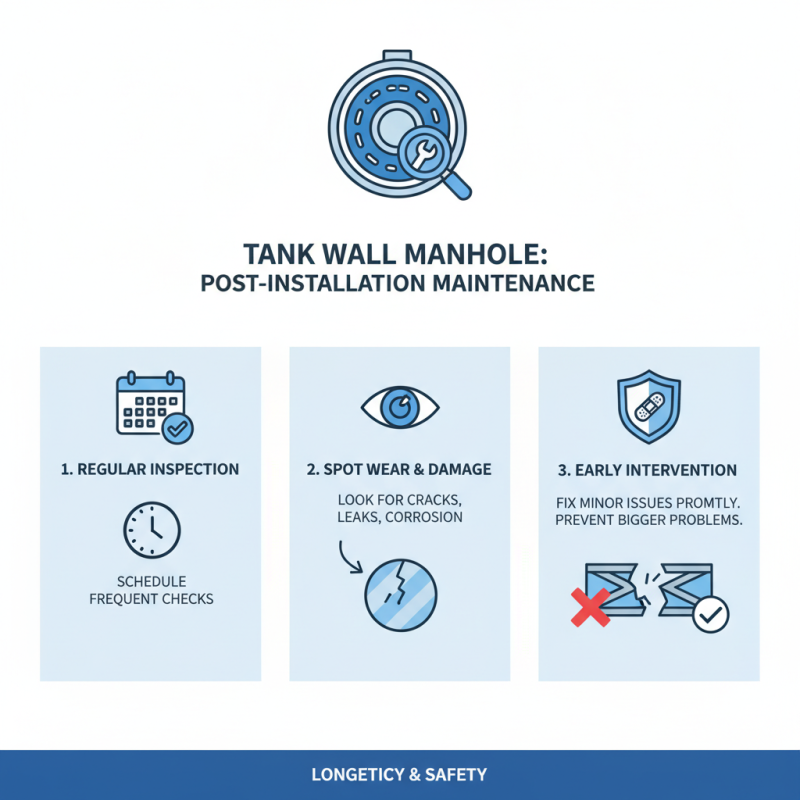
Proper maintenance of tank wall manholes is crucial for longevity. After installation, you should develop a regular inspection schedule. This ensures any issues are caught early. Keep an eye out for signs of wear or damage around the manholes. Sometimes, it’s easy to overlook minor cracks. These can turn into bigger problems if ignored.

Access points must remain unobstructed. Make it a priority to keep pathways clear. Regular cleaning around these areas is necessary. Debris can accumulate quickly, leading to access difficulties. Remember, prevention is key. You might find that some installations require additional lighting for safe access. This adds to the overall costs but improves visibility and safety.

Consider training your team on best practices. They should understand how to use the manholes properly. An inadequately trained staff can lead to accidents and maintenance issues. Reflection and adaptation are important after installation. Review processes and make adjustments as needed. Each installment can teach you something valuable for future projects.