2026 How to Choose the Right Stainless Steel Reducing Tee for Your Project?
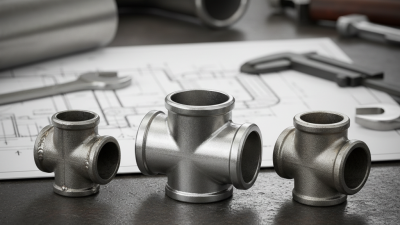
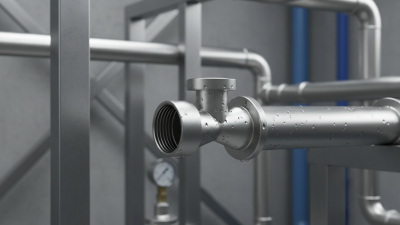
When undertaking a project that requires plumbing or piping, the choice of materials is crucial. Each component plays a significant role in the overall system's efficiency and durability. Among these components, the Stainless Steel Reducing Tee stands out due to its unique design and functionality. It allows for the transition between different pipe sizes, ensuring smooth flow and continuity in various systems.
Choosing the right Stainless Steel Reducing Tee can be daunting. Factors such as diameter, pressure rating, and corrosion resistance must be considered. Quality is essential; not all stainless steel is created equal. Understanding these details can prevent future issues, such as leaks or structural failure.
Moreover, mistakes in selection can lead to costly repairs and project delays. It's important to evaluate supplier credibility and product certifications. Consulting with industry experts can provide valuable insights. Still, personal reflection on past experiences also plays a role in making the right decision. This combination of knowledge and experience is vital for successful project outcomes.

Understanding the Basics of Stainless Steel Reducing Tees
Understanding the basics of stainless steel reducing tees is crucial for informed choices in project planning. These fittings are designed to connect pipes of different diameters, facilitating smooth transitions in fluid flow. According to industry reports, about 40% of piping failures occur due to improper fittings selection. This statistic highlights the need for careful consideration in project design.
When selecting a reducing tee, factors like material grade, size options, and pressure ratings must be evaluated. Stainless steel grades 304 and 316 are commonly used, with the latter offering superior corrosion resistance. Research indicates that 316 stainless steel can withstand harsh environments, making it a preferred choice in chemical processing and marine applications. Additionally, understanding the flow characteristics in your system can impact the selection process.
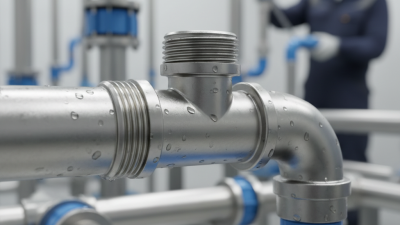
Installation should also be approached thoughtfully. Proper alignment and secure connections are vital to prevent leaks. According to a survey from the Bureau of Labor Statistics, improper installation can lead to significant downtime and increased maintenance costs. Many professionals overlook these aspects, leading to costly revisions. Engaging with experts can streamline this process and ensure optimal performance from your stainless steel reducing tees.
Key Factors to Consider When Selecting Reducing Tees
When selecting a stainless steel reducing tee, several key factors demand your attention. Material quality stands out as critical. Stainless steel grades like 304 and 316 are commonly used, but the choice depends on the environment. For instance, 316 offers better corrosion resistance, especially in maritime environments. According to industry reports, using the correct grade can enhance the component's lifespan significantly, with studies showing up to a 40% increase in durability.
Size and pressure ratings are also crucial in decision-making. Understanding the application requirements ensures the selected tee can handle expected pressure and flow rates. Data indicates that improper sizing can lead to inefficiencies, causing pressure drops of 20% or more in pipeline systems. Additionally, the installation process should not be overlooked. Complex fittings may increase installation time, leading to unnecessary labor costs.
Compatibility with existing piping systems is paramount. A mismatch can result in leaks or system failures. A study by the Mechanical Engineering Society found that around 30% of industrial pipeline failures stem from improper fittings. Taking the time to analyze these elements is essential. Cut costs short, and the project might face more significant issues down the line. Always reflect on the long-term implications of your choices.
Choosing the Right Stainless Steel Reducing Tee: Key Factors to Consider
Types of Stainless Steel Materials for Reducing Tees
When selecting the right stainless steel reducing tee, understanding the different types of materials is crucial. Stainless steel is categorized mainly as Austenitic, Ferritic, and Martensitic.
Austenitic stainless steel, known for its excellent corrosion resistance and ductility, is commonly used in various applications. A report by the International Stainless Steel Forum highlights that about 70% of stainless steel produced globally is of the austenitic type. This makes it a reliable choice for reducing tees in harsh environments.
Ferritic stainless steel is another option. It offers moderate corrosion resistance and is magnetic. While not as ductile as austenitic steel, it is often more cost-effective. For certain applications, this can be a significant advantage. Some engineers report challenges with weldability in ferritic stainless steel, which can affect project timelines. Martensitic stainless steel has higher strength but lower corrosion resistance. It’s used where hardening is required. However, it can be prone to rust if not properly maintained.
Choosing the right type depends on specific project needs. Consider factors like environment, temperature, and fluid type. Each material has its strengths and weaknesses. Some projects may require a blend of these materials. Understanding these differences ensures that the final decision is well-informed.
Sizing and Dimensional Considerations for Reducing Tees
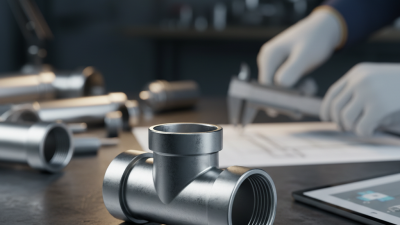
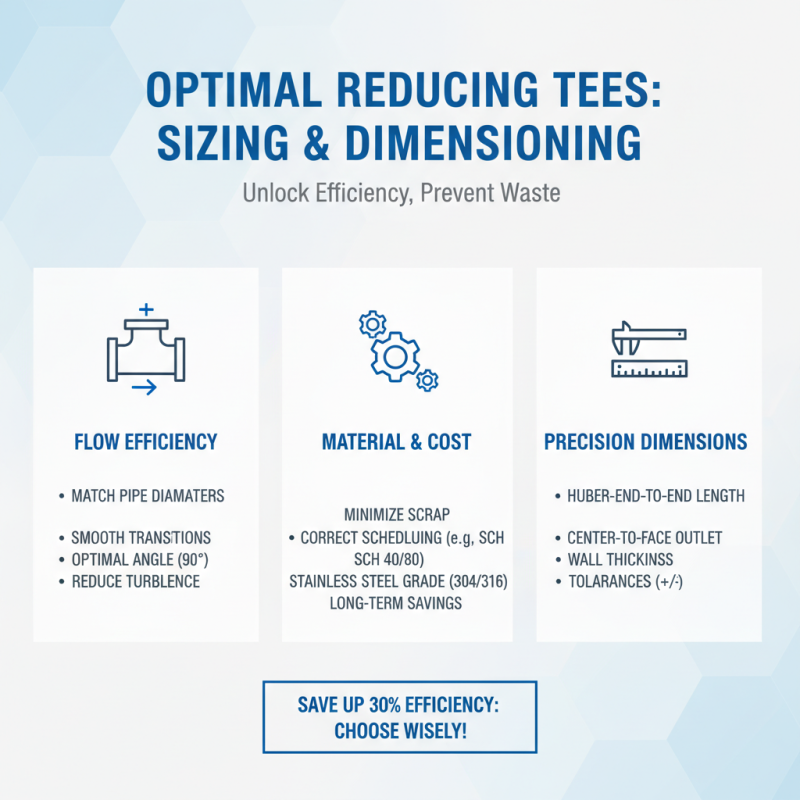
Choosing the right stainless steel reducing tee involves several essential sizing and dimensional considerations. Proper sizing ensures optimal flow and reduces material wastage. According to industry reports, an incorrect fitting can decrease efficiency by up to 30%. This emphasizes the importance of precise dimensioning.
When selecting a reducing tee, consider both the pipe diameter and the angle of the fitting. A common oversight is neglecting the effects of pressure differentials. Data shows that fittings with improper dimensions can lead to increased turbulence and pressure drops. Ideally, work with dimensions that align with your project's specific flow rate requirements.
Additionally, evaluate the medium being transported. The corrosivity and temperature of the fluid significantly impact material selection. It is vital to analyze these factors alongside the standard ANSI/ASME pipe sizing guidelines, which have been established for years. The balance between durability and flexibility is crucial. However, many projects overlook these variables, leading to potential failures down the line. Constant reevaluation of material choices can help mitigate such risks.
Applications of Stainless Steel Reducing Tees in Various Industries
Stainless steel reducing tees play a crucial role in various industries, especially in construction and manufacturing. These fittings facilitate the efficient connection of pipes of different diameters. In chemical processing, a single reducing tee can reduce space and materials needed, which cuts costs. According to a recent industry report, the global demand for stainless steel fittings is expected to reach 12 million tons by 2026.
In food and beverage processing, reducing tees are essential for maintaining hygiene and preventing contamination. Stainless steel’s non-reactive properties ensure that products remain safe for consumption. The food industry often operates under strict safety regulations. A significant percentage of manufacturers are moving towards stainless steel to comply with these standards. Research indicates that using high-quality stainless steel in food equipment reduces contamination risks by up to 20%.
Pipelines in oil and gas sectors also utilize stainless steel reducing tees to enhance flow efficiency. These fittings help to adjust and control the flow rates effectively. The oil and gas industry faces challenges with corrosion and high pressure. Adopting stainless steel solutions is becoming increasingly essential. However, the selection process can be complex, requiring a deep understanding of material properties and applications. Not all reducing tees perform equally under pressure, leading to potential inefficiencies. Thus, careful consideration and research are essential for optimal performance.
2026 How to Choose the Right Stainless Steel Reducing Tee for Your Project? - Applications of Stainless Steel Reducing Tees in Various Industries
| Industry |
Application |
Material Grade |
Size Range (inches) |
Temperature Resistance |
| Oil and Gas |
Piping Systems |
316L |
1/2 to 12 |
-50°C to 360°C |
| Food and Beverage |
Sanitary Systems |
304 |
1/4 to 8 |
-20°C to 120°C |
| Pharmaceutical |
Process Piping |
316L |
1/2 to 10 |
-40°C to 150°C |
| Chemical Processing |
Fluid Transfer |
317 |
1 to 14 |
-10°C to 250°C |
| Construction |
Structural Support |
304 |
1/2 to 16 |
-30°C to 200°C |