How to Choose the Best 90 Degree Socket Elbow for Your Project?
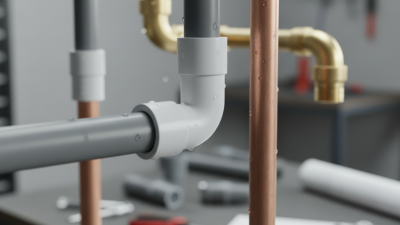
When embarking on a project that requires piping solutions, selecting the right components is crucial. An expert in the field, John Smith, a renowned plumbing engineer, once stated, "Choosing the right 90° socket elbow can make or break your system's efficiency." This highlights the importance of proper selection for this often-overlooked part. The 90° socket elbow facilitates direction changes in pipes and plays a vital role in maintaining flow dynamics.
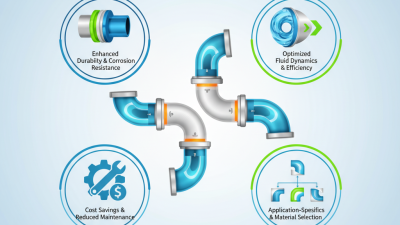
Understanding the various materials, sizes, and designs available for a 90° socket elbow can be overwhelming. These fittings come in plastic, metal, and various alloys, each with unique advantages and limitations. For instance, while PVC elbows are lightweight and cost-effective, brass options offer durability and resistance to corrosion. Reflecting on these choices can reveal potential pitfalls, especially if one prioritizes cost over functionality.
It's not just about the right measurements; installation plays a role too. Poor installation can lead to leaks, which might jeopardize the entire project. The nuances of fitting a 90° socket elbow are often underestimated. Choosing wisely requires diligence and a bit of foresight. Ultimately, investing time in understanding these components will yield benefits in the long run.
Understanding the Different Types of 90 Degree Socket Elbows
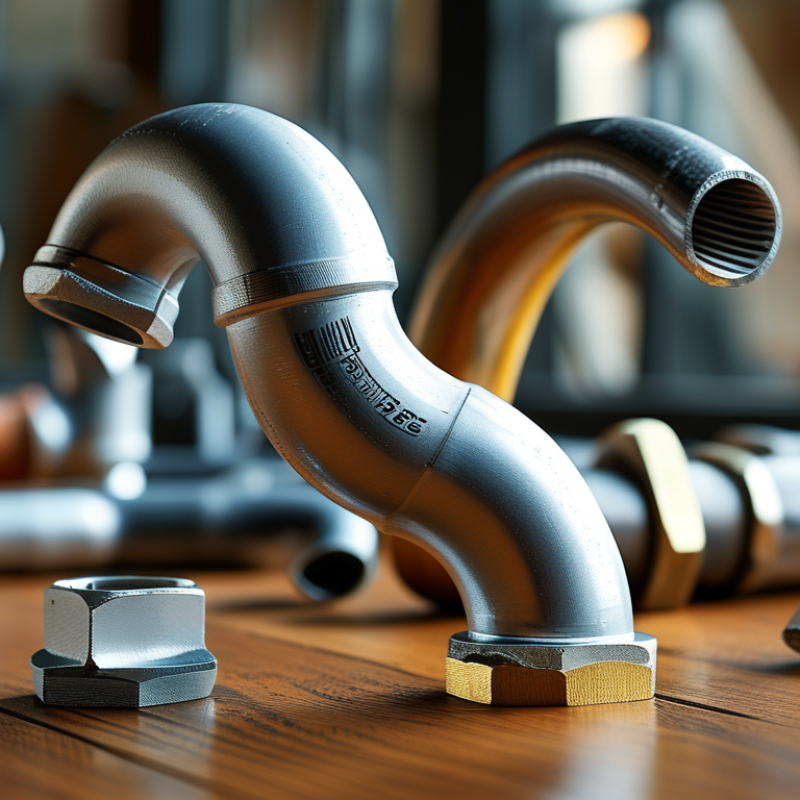
When selecting a 90-degree socket elbow, understanding its types is crucial. The three main types are standard, reinforced, and flexible elbows. Standard elbows are great for most applications. They connect pipes at a fixed angle, offering a reliable fit. Reinforced elbows have additional material, making them ideal for high-pressure situations. Their strength is a key factor for many projects.
Flexible elbows allow minor adjustments during installation. They can accommodate slight misalignments. However, they might not be as sturdy as the other types. Consider the material, too. PVC, copper, and stainless steel are common choices. Each material has strengths and weaknesses, impacting durability and cost.
Choosing the right elbow involves weighing your project's specific needs. Sometimes, preferring convenience over strength can lead to issues later. Take time to analyze your workspace. Measure accurately and consider potential obstructions. This attention to detail can save you from costly mistakes in the future.
Materials and Durability: What to Consider for Your Socket Elbow
When selecting a 90-degree socket elbow for your project, considering materials and durability is crucial. These components often face stress from pressure and temperature changes. Common materials include PVC, metal, and rubber. Each material has distinct properties that influence performance. For example, PVC is lightweight and resistant to corrosion. Metal options, however, provide superior strength and heat resistance.
It's essential to evaluate how the chosen material can impact longevity. A poorly made socket elbow can lead to leaks or failures. Look for high-quality craftsmanship. You may notice variations in finish that could indicate overall reliability. Don't settle for the first option. Compare different products and ask about their stress test results.
Evaluate where the socket elbow will be used. For internal plumbing, PVC may suffice. For harsh outdoor conditions, a reinforced option would be better. A mismatch can lead to unnecessary repairs. Be cautious about intricate designs. They may look appealing but can complicate installation. Focus on ease of use and expected life span.
How to Choose the Best 90 Degree Socket Elbow for Your Project?
| Material |
Durability Rating |
Temperature Resistance (°F) |
Pressure Rating (PSI) |
Applications |
| PVC |
Moderate |
140 |
280 |
Drainage, Irrigation |
| Copper |
High |
400 |
900 |
Water Supply, Heating |
| Stainless Steel |
Very High |
600 |
1500 |
Industrial, Food Processing |
| PVC-U |
Moderate |
140 |
220 |
Chemical Transport |
| Bronze |
High |
400 |
900 |
Marine, Oil & Gas |
Size and Dimensions: How to Choose the Right Fit for Your Project
When choosing a 90 degree socket elbow, size and dimensions are crucial. The wrong fit can lead to project delays and increased costs. Begin by measuring the diameter of the pipes you plan to use. An elbow that is too large or small will cause leaks or require additional fittings.
Consider the wall thickness if you're working with thick-walled pipes. Remember that compatibility with existing piping is key. A snug fit ensures stability and durability in your project. Take precise measurements to avoid costly mistakes.
Tips: Always double-check your measurements. Even a slight error can lead to significant issues later. Don't rush the selection process. Take your time to compare different sizes. If possible, consult with professionals or experienced builders. Their insights can help streamline your selection process and enhance the quality of your work. Choose wisely for lasting results.
Application and Usage: Matching Elbows to Project Requirements
When choosing the right 90-degree socket elbow, consider its application carefully. For plumbing projects, a specific material type is key. PVC is lightweight and affordable. Copper offers durability but can be costlier. Assess your project's requirements, such as pressure levels and environmental impacts.
Usage matters, too. For indoor projects, focus on materials that prevent corrosion. An elbow made of brass or stainless steel could be ideal. These materials resist damage over time, maintaining system integrity. For outdoor projects, ensure your elbow can withstand weather elements.
Tips: Always check the fitting compatibility. A mismatched elbow can cause leaks. Measure your existing pipes accurately. Don't rush the selection process. It’s better to take extra time now than face issues later. Reflect on previous projects. What worked? What didn’t? Learning from experience can streamline your choices.
Cost vs. Quality: Finding the Best Value for Your 90 Degree Socket Elbow
When choosing a 90-degree socket elbow, balancing cost and quality is essential. High-quality elbows often come with a higher price tag, but they can last much longer. Cheaper options might save money upfront but could lead to frequent replacements. Consider how often you'll use the product. Frequent use warrants investing in better quality.
Tips: Always check the material. Metal options generally last longer than plastic ones. Look for a well-designed seal to prevent leaks. This detail can save you from future headaches.
Not all 90-degree elbows are created equal. Some may fit poorly, leading to leaks. If you're unsure, seek advice from credible sources or professionals in the field. This can save you time and resources. Remember, cheap can turn out expensive. Take the time to research your options thoroughly.