Why Choose Pressure Relief Manholes for Your Project Needs?
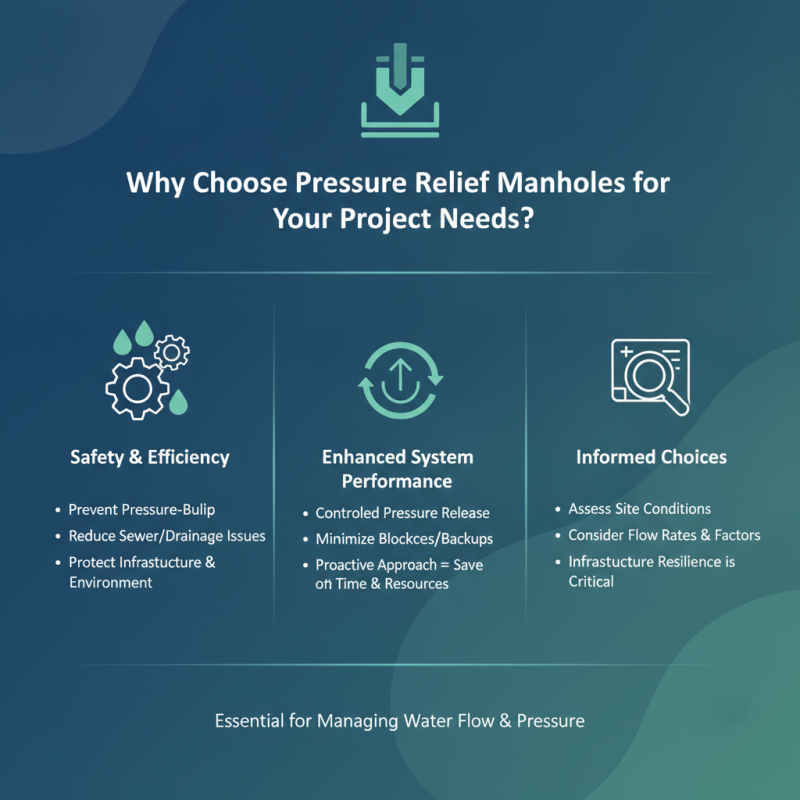
In the world of construction and urban planning, safety and efficiency are paramount. When managing water flow and pressure, choosing the right equipment is crucial. Pressure Relief Manholes offer unique benefits for various projects. These structures help prevent pressure build-up, reducing the risk of sewer and drainage issues. Proper drainage is essential for protecting infrastructure and the environment.
Many professionals overlook the significance of Pressure Relief Manholes. They might opt for standard manholes without considering the long-term consequences. However, these specialized manholes can enhance system performance and longevity. Their design allows for controlled pressure release, minimizing the risk of blockages and backups. This proactive approach can save time and resources in the future.
Understanding the specific needs of each project is vital. Pressure Relief Manholes are not a one-size-fits-all solution. Assessing site conditions, flow rates, and other factors is necessary for effective implementation. While this may add complexity, the benefits of properly selected manholes far outweigh the challenges. In an age where infrastructure resilience is critical, making informed choices is essential.
Understanding Pressure Relief Manholes and Their Functionality
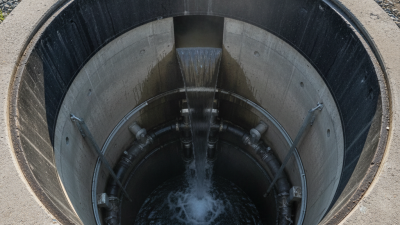
Pressure relief manholes play a crucial role in modern infrastructure. They help manage excess pressure in underground systems, preventing potential failures. These structures are designed to release built-up gases or liquids safely. Understanding their functionality is key for engineers and project managers.
The installation of pressure relief manholes can have unexpected challenges. Proper placement and design are essential for their effectiveness. Poorly designed systems might not handle pressure as intended. This can lead to costly repairs and hazardous situations. Regular maintenance and inspections are critical. Evaluating the condition of these manholes helps ensure they function as needed.
Once installed, their contributions can significantly enhance safety. They allow for the continuous monitoring of pressure levels. With technological advancements, real-time data can be integrated into pressure management systems. This ensures that any fluctuations are detected promptly. However, engineers must remain vigilant, as overlooking regular checks can lead to over-reliance on technology.
Advantages of Using Pressure Relief Manholes in Construction Projects
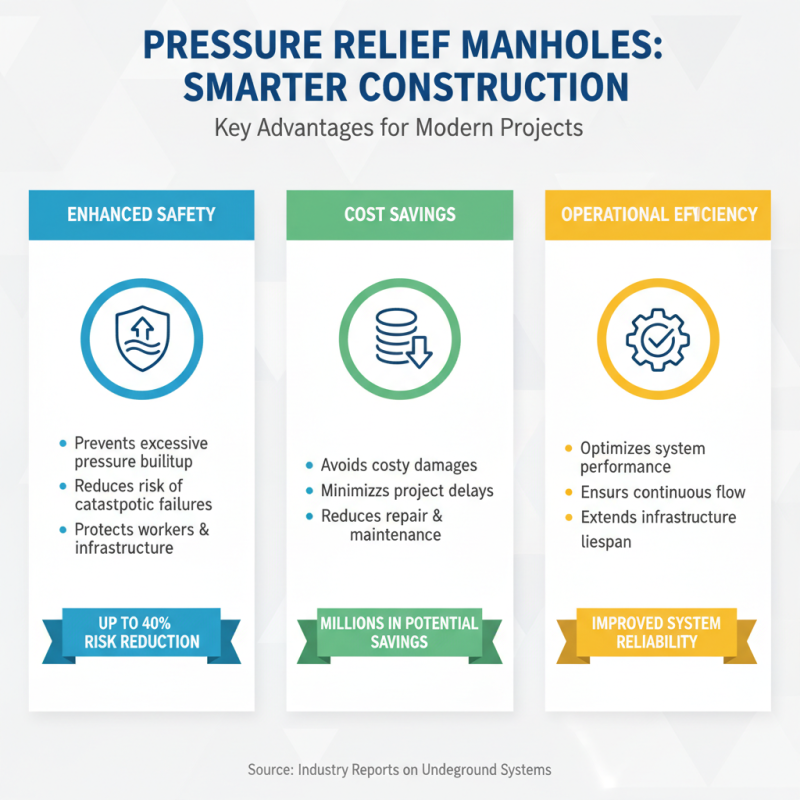
Pressure relief manholes play a crucial role in modern construction projects. They are designed to manage and alleviate excessive pressure in underground systems. This is vital for maintaining safety and efficiency. According to industry reports, properly designed pressure relief systems can reduce the risk of catastrophic failures by up to 40%. When these failures occur, the financial impact can reach millions in damage costs and project delays.
These manholes also help ensure that wastewater systems function smoothly. A study from the American Society of Civil Engineers highlights that about 30% of urban infrastructure fails due to pressure issues. Utilizing pressure relief manholes can help mitigate this risk. They allow for controlled release of pressure, preventing potential backups and ensuring flow continuity throughout the system.
Moreover, the installation of these manholes improves maintenance access. Technicians can conduct inspections without disrupting the entire system. This advantage can save time and reduce labor costs. However, it is vital to choose the right design and placement. Miscalculations in pressure ratings can lead to inefficiencies. The right implementation is key.
Selecting the Right Pressure Relief Manhole for Specific Applications
When selecting the right pressure relief manhole for specific applications, it is essential to consider the project's unique demands. Each project may have different pressure levels and flow rates. The manhole must be able to withstand these variations while providing reliable pressure relief. Factors such as material selection, size, and installation location contribute to its effectiveness. Choosing the right features can prevent potential hazards.
Understanding the specific application is crucial. For example, industrial sites may require robust materials to withstand harsh environments. In contrast, municipal projects may focus on efficiency and ease of maintenance. Durability is key. Every installation should also account for future inspections and accessibility. Design flaws can lead to costly repairs. Therefore, it’s wise to consult with professionals who have experience in pressure relief solutions.
Evaluating all these factors requires careful consideration. Not every option will meet your needs perfectly. Taking the time to analyze each project and its requirements can lead to better outcomes. Engaging in discussions with industry experts can also illuminate potential challenges. Ultimately, making informed choices will enhance safety and reliability in your project.
Why Choose Pressure Relief Manholes for Your Project Needs?
This chart illustrates the number of installations of pressure relief manholes across various application types. Industrial applications lead in the number of installations, followed by municipal, commercial, and residential projects. This data highlights the importance of selecting the right pressure relief manhole based on specific project needs.
Installation and Maintenance Considerations for Pressure Relief Manholes
When considering the installation of pressure relief manholes, several key factors come into play. These structures manage excess pressure effectively. Proper placement is vital. They need to be located strategically away from other utility lines. Ensuring accessibility for maintenance is essential. If they are hard to reach, it complicates routine checks.
Maintenance practices vary. Regular inspection is crucial. Look for signs of corrosion or wear. A visual check can reveal leaks or blockages. Simple maintenance can prolong the lifespan of the manhole. However, some issues might require more in-depth inspections. If overlooked, these problems can escalate, leading to costly repairs.
Additionally, it’s important to consider the materials used. Different environments affect how materials react over time. Make selections that are resilient and durable. This decision affects long-term reliability. Overall, thoughtful installation and careful maintenance are key to maximizing the benefits of pressure relief manholes.
Common Misconceptions About Pressure Relief Manholes in Engineering
Pressure relief manholes often face misconceptions in engineering projects. Many assume they are just extra costs. However, they play a vital role in managing pressure surges in sewer systems and pipelines.
According to a recent report by the American Society of Civil Engineers, nearly 30% of sewer overflows stem from inadequate pressure management. Properly designed pressure relief manholes can significantly reduce these incidents. Their role in protecting infrastructure from damage is sometimes underestimated. Engineers must consider long-term maintenance versus upfront costs.
Some engineers worry about installation complexity. They believe that adding pressure relief systems complicates designs. However, studies show that integrating these systems can streamline overall project flow. Less maintenance is needed over time. Misunderstandings like these can hinder effective design. Engineers should focus on the benefits to concrete project outcomes and safety.