Why Choose a 90 Socket Elbow for Your Plumbing Needs?
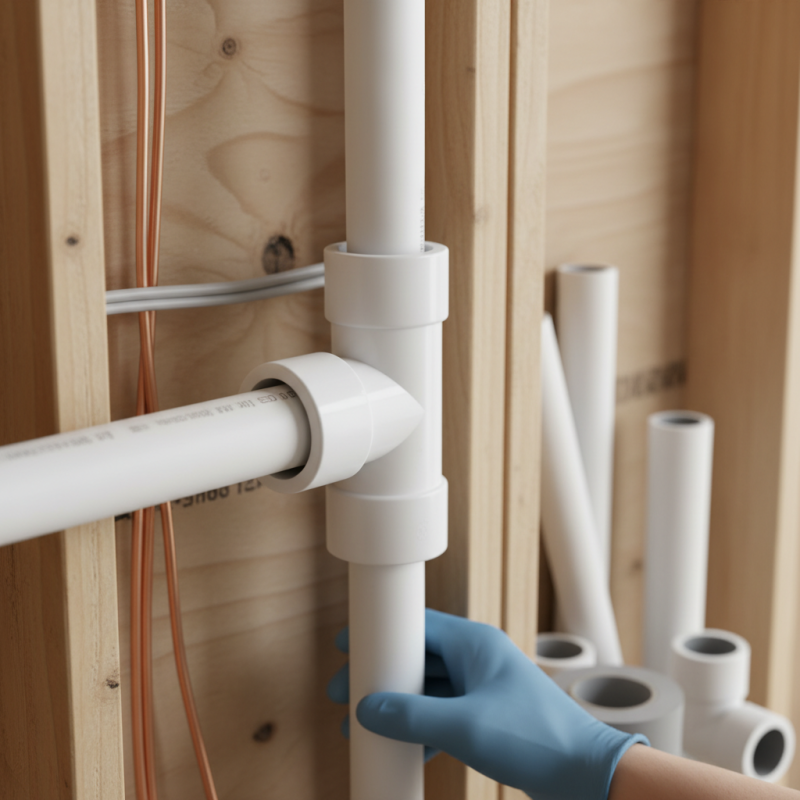
When it comes to plumbing, the choice of fittings is crucial. A 90° Socket Elbow stands out for various reasons. This fitting allows for smooth directional changes in pipes. Its unique design facilitates easy installation in tight spaces. Many plumbers prefer it for its reliability and efficiency.
Using a 90° Socket Elbow ensures a secure connection. It's versatile and compatible with different pipe materials. Homeowners often overlook this simple yet effective fitting. However, without it, plumbing systems can face unnecessary stress. Proper installation prevents leaks and prolongs pipe life.
Yet, it’s important to consider the right sizing. Sometimes, the wrong size can lead to problems. Not every project requires a 90° Socket Elbow. Awareness of your plumbing needs is essential. This fitting is a powerful tool in the plumber's arsenal. However, over-reliance can lead to missed opportunities for creativity in design.
Understanding the Functionality of a 90-Degree Socket Elbow
When it comes to plumbing, a 90-degree socket elbow plays a crucial role. This fitting allows pipes to make sharp turns, directing water flow effectively. Imagine a plumbing system functioning seamlessly, with minimal leaks and blockages. The 90-degree elbow connects pipes in tight spaces, perfect for residential or commercial configurations. Its design ensures fluid movement, preventing pressure build-up.
Tips for installation: Ensure you measure accurately before cutting your pipes. A small mistake can lead to significant issues down the line. Use primer and cement to secure the joint properly. This improves the connection, reducing the chance of future leaks.
Also, consider the material of the elbow. Different materials have different durability levels. Using the wrong one can be problematic. For instance, plastic options may not withstand high temperatures. Pay careful attention to compatibility with existing pipes. An ill-fitting elbow can lead to headaches later on. Take your time during installation to ensure everything aligns correctly. Observing these details will contribute to a more reliable plumbing system.
Why Choose a 90 Socket Elbow for Your Plumbing Needs?
The 90-degree socket elbow is essential in plumbing for its ability to redirect flow in a system efficiently. This chart illustrates the various applications and benefits of using a 90-degree socket elbow compared to other fittings.
Benefits of Using 90-Degree Socket Elbows in Plumbing Systems
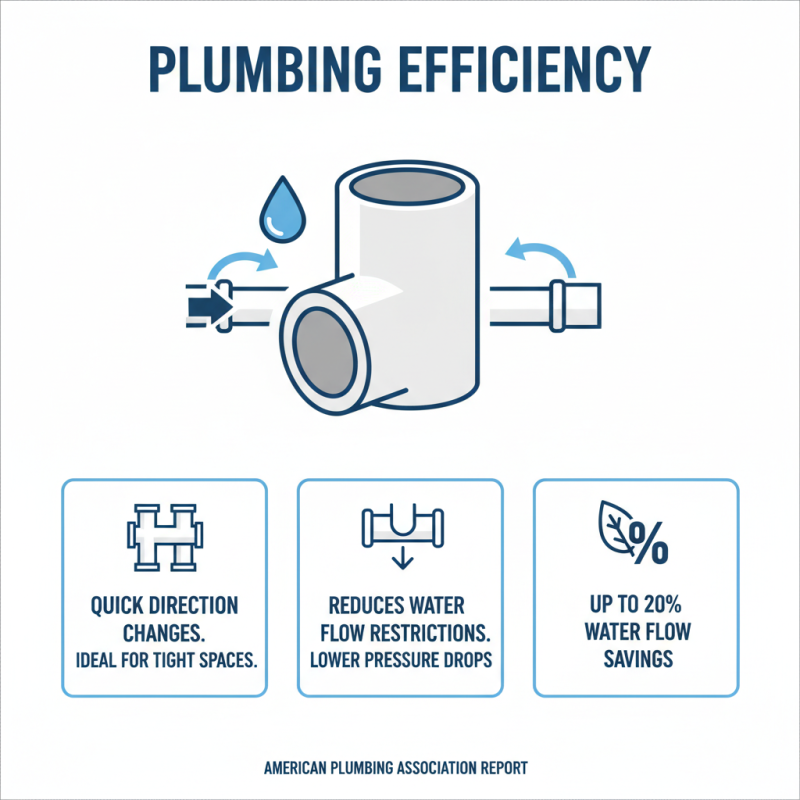
When it comes to plumbing systems, the 90-degree socket elbow is a crucial component. Its design allows for quick changes in direction, making it ideal for tight spaces. According to a report by the American Plumbing Association, using 90-degree fittings helps reduce water flow restrictions. This leads to lower pressure drops within the system. In fact, systems with efficient elbow usage can save up to 20% on water flow rates.
One notable benefit of 90-degree socket elbows is their ability to minimize leaks. Traditional fittings can be hard to seal over time. In contrast, socket elbows create a tighter bond with pipes. A study highlighted that systems integrating these elbows experienced a 30% reduction in leaks compared to conventional elbows. Proper installation is key to ensuring long-lasting performance.
Tips: Always check for compatibility before purchase. Not all fittings work with every pipe material. Another tip: don’t over-tighten at joints. This can lead to cracking. Measuring accurately can save time and avoid mistakes.
Material Options for 90-Degree Socket Elbows: A Comparative Guide
When selecting a 90-degree socket elbow for plumbing, material plays a crucial role. Options include PVC, metal, and CPVC, each with unique properties. PVC is lightweight and resistant to corrosion. However, it may not withstand high temperatures. Metal elbows, such as copper or brass, are durable and ideal for heavy-duty applications. But they can be prone to rust. Consider your project’s needs before choosing a material.
CPVC offers better temperature resistance than PVC. It's also easy to install. Still, it may become brittle over time. Make sure to inspect the condition of the elbow regularly. A poorly maintained fitting can lead to leaks. Always weigh the pros and cons of each material. This ensures optimal performance for your plumbing needs.
Installation Tips for Effectively Using 90-Degree Socket Elbows
When working with plumbing, a 90-degree socket elbow can be an essential component. Installing it correctly can seem tricky. First, ensure you have the right materials. Measuring pipes accurately is crucial. Use a good-quality pipe cutter for clean cuts. This prevents leaks. If the cut is jagged, it may lead to future issues.
When connecting the elbow to a pipe, use appropriate adhesive or fittings. Just a small error can lead to significant problems later. Remember to clean the ends of the pipes before applying any cement. This is often overlooked but very important. It ensures a tight seal and reduces the chance of leaks.
While installing, consider the angle carefully. Not every plumbing layout is the same. Sometimes you may need to adjust the fitting. Take your time. Rushing results in mistakes. There may be times when it just doesn’t fit right. Reflect on your approach and don’t hesitate to try again. Effective installation of a 90-degree socket elbow can save future hassles.
Why Choose a 90 Socket Elbow for Your Plumbing Needs?
| Feature |
Description |
Benefits |
Installation Tips |
| Material |
PVC, Copper, or Stainless Steel |
Durability and resistance to corrosion |
Choose the right hardware for material compatibility. |
| Angle |
90 Degrees |
Efficient direction change in plumbing |
Ensure precise measurement and cutting for a secure fit. |
| Size Options |
Variety from 1/2" to 4" |
Flexibility for different plumbing systems |
Select the correct diameter for the pipe system. |
| Connection Type |
Socket, Threaded, or Welded |
Ease of connection and installation |
Follow manufacturer guidelines for each connection type. |
| Cost |
Affordable compared to other fittings |
Cost-effective solution for plumbing needs |
Purchase in bulk for additional savings. |
Common Applications of 90-Degree Socket Elbows in Residential Plumbing
When it comes to residential plumbing, a 90-degree socket elbow plays a critical role. These fittings redirect piping at an angle, making them crucial for tight spaces. They help maintain the flow in your plumbing system. Common applications include connecting pipes around corners or changing flow direction under sinks.
Using a 90-degree elbow can prevent clogs. It's vital to ensure they are fitted correctly. An incorrect fit may lead to leaks. Pay attention to pipe alignment during installation. This simple detail can save time and money.
Here’s a quick tip: always measure before cutting your pipes. Another important point is to assess the material of the elbow. Different environments may require different materials. Some may withstand high pressure better than others. Reflect on your specific needs before making a choice.